
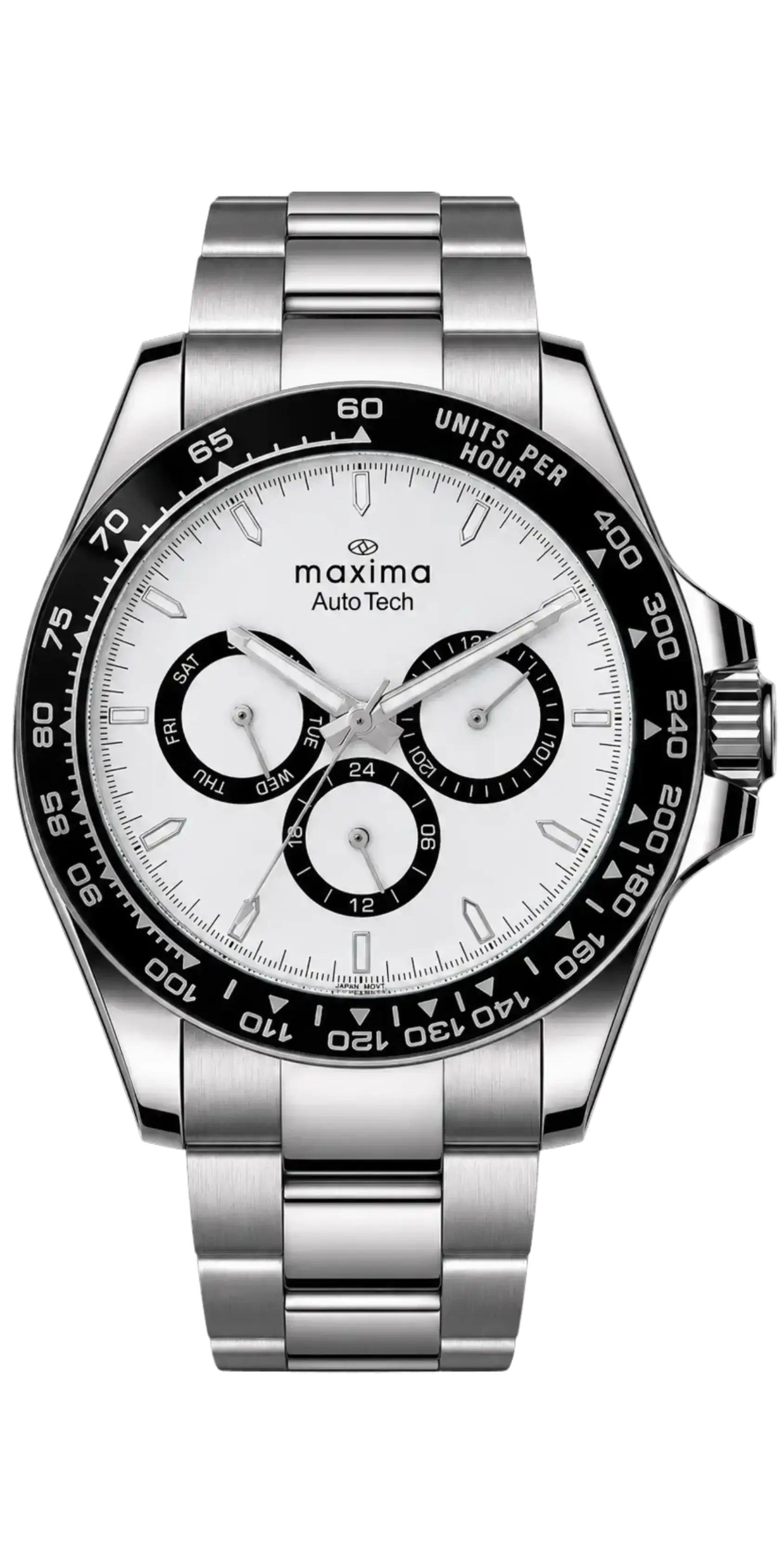
Apex Mechanical Heritage
Classic three-hand layout with exhibition case-back, automatic date display, and guilloché patterned dial.
28,800 vph · 41mm Case · 50M WR
Inquire NowAn authoritative breakdown for international distributors, brand owners, and procurement leaders seeking high-precision automatic mechanical timepieces. Backed by six decades of horological manufacturing heritage, Swiss-lathe machining precision, and rigorous dual-stage pressure certification.
Horological Lineage Since 1966
The global luxury and mid-tier watch markets are experiencing a profound structural shift. As digital saturation reaches peak levels, commercial buyers and global importers are reporting unprecedented consumer intent moving back toward mechanical horology. Automatic mechanical watches represent not merely a mechanism for timekeeping, but an authentic manifestation of micro-mechanical art, sustainable engineering, and enduring value retention.
For global procurement managers and brand architects, sourcing automatic mechanical watches requires a granular understanding of kinetic energy conversion, balance-wheel frequency regulation, and structural case integrity. Unlike quartz movements reliant on galvanic cells, automatic movements harvest kinetic energy via a freely pivoting rotor, translating arm motions into potential energy stored within the mainspring barrel.
Engineering Architecture
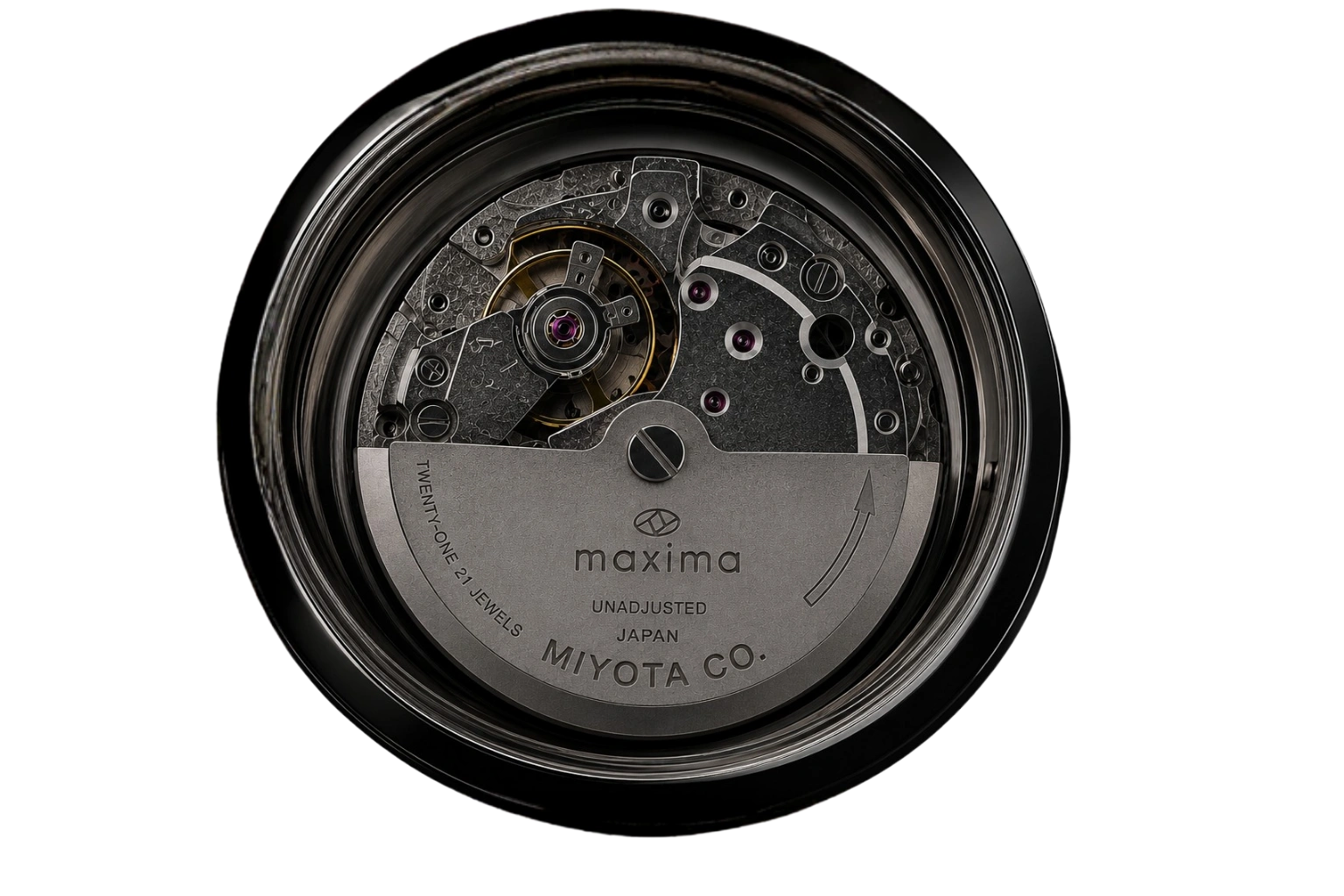
At the center of an automatic mechanical watch lies the oscillating weight (rotor). Engineered from high-density heavy metals such as tungsten alloy or 316L stainless steel, the rotor relies on gravitational pull and inertial motion to rotate along a central arbor. This motion is transferred through a reduction gear train to the mainspring arbor.
High-tier OEM manufacturing prioritizes bidirectional winding mechanisms (such as magic lever or reversing gear systems), ensuring that kinetic energy is harvested regardless of whether the rotor spins clockwise or counterclockwise. This minimizes the motion threshold required to achieve full mainspring tension.
The accuracy of an automatic mechanical movement is governed by its regulating organ: the balance wheel and hairspring assembly. Operating at frequencies typically between 21,600 vibrations per hour (3 Hz) and 28,800 vibrations per hour (4 Hz), the escapement releases micro-bursts of rotational energy from the mainspring at meticulously controlled intervals.
A higher frequency of 28,800 vph delivers a smoother sweeping seconds hand movement (8 ticks per second) and superior resistance to positional shocks, making it the preferred specification for executive and sports automatic lines.
The mainspring is housed inside a sealed barrel, manufactured from high-tensile copper-beryllium or stainless spring steel alloys. Modern automatic mechanical watches engineered by Maxima feature power reserves ranging from 38 hours to 72 hours. Advanced mainspring slippage mechanisms (bridle springs) prevent overwinding by allowing the outer coils of the mainspring to slip smoothly along the inner wall of the barrel once maximum tension is achieved.
Housing a delicate mechanical caliber demands absolute isolation from moisture, dust, and shock. Maxima utilizes CNC-machined 316L surgical stainless steel and high-tech zirconium oxide ceramic cases sintered at temperatures exceeding 1,400 °C. Case geometries are engineered with exact tolerances for synthetic sapphire crystals and fluororubber (FKM) or silicone seals, guaranteeing long-term hermetic seal integrity under dynamic water pressure.
Enterprise Product Lineup
Designed for brand portfolios, corporate gift programs, and regional retail networks. Each reference can be fully customized with private-label branding, custom rotor engraving, and bespoke dial finishes.
Classic three-hand layout with exhibition case-back, automatic date display, and guilloché patterned dial.
28,800 vph · 41mm Case · 50M WR
Inquire Now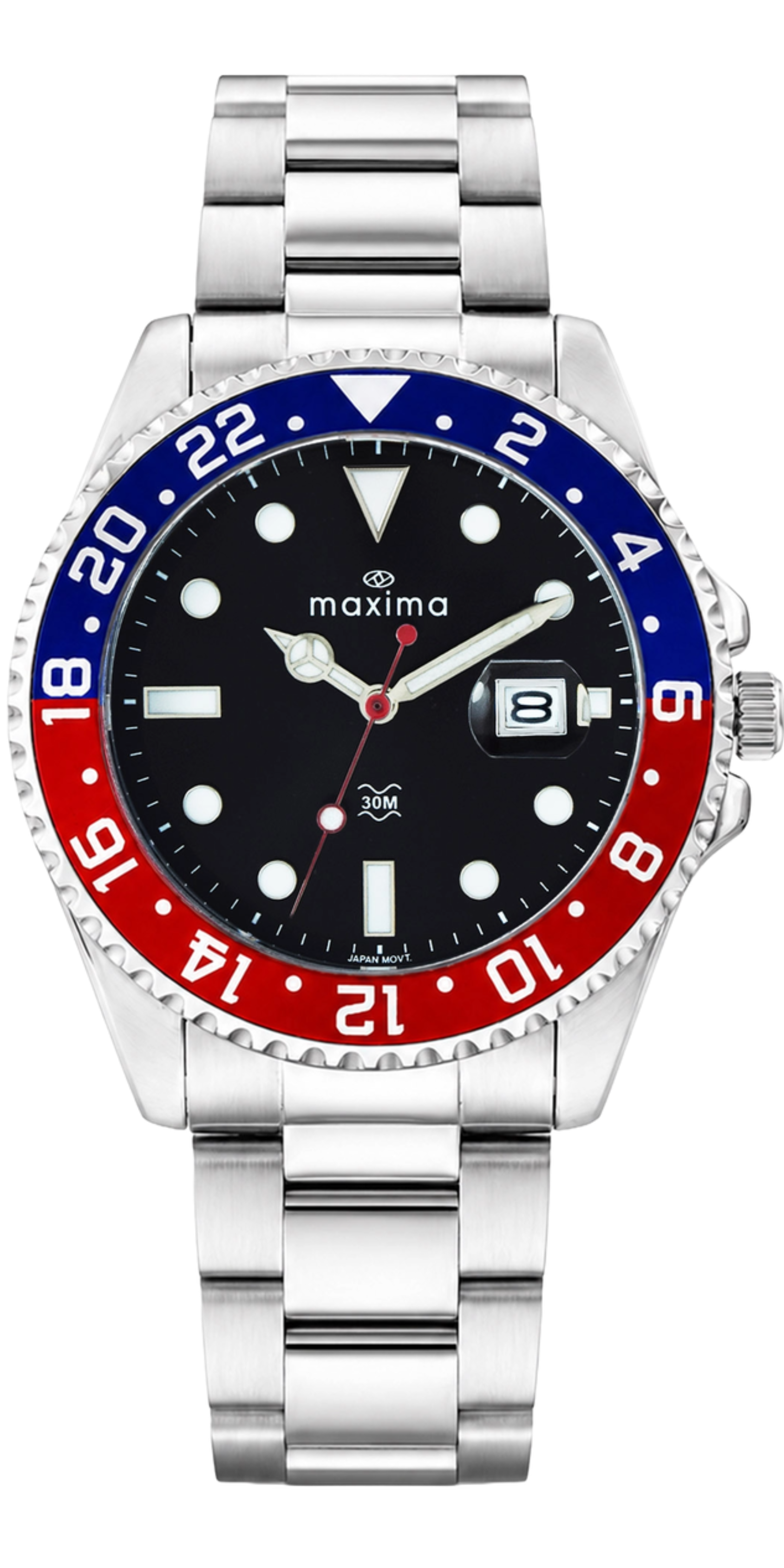
Executive brushed metal bracelet watch powered by an integrated skeletonized rotor caliber with sapphire crystal.
42 Hours Power · 316L Steel · 100M WR
Inquire Now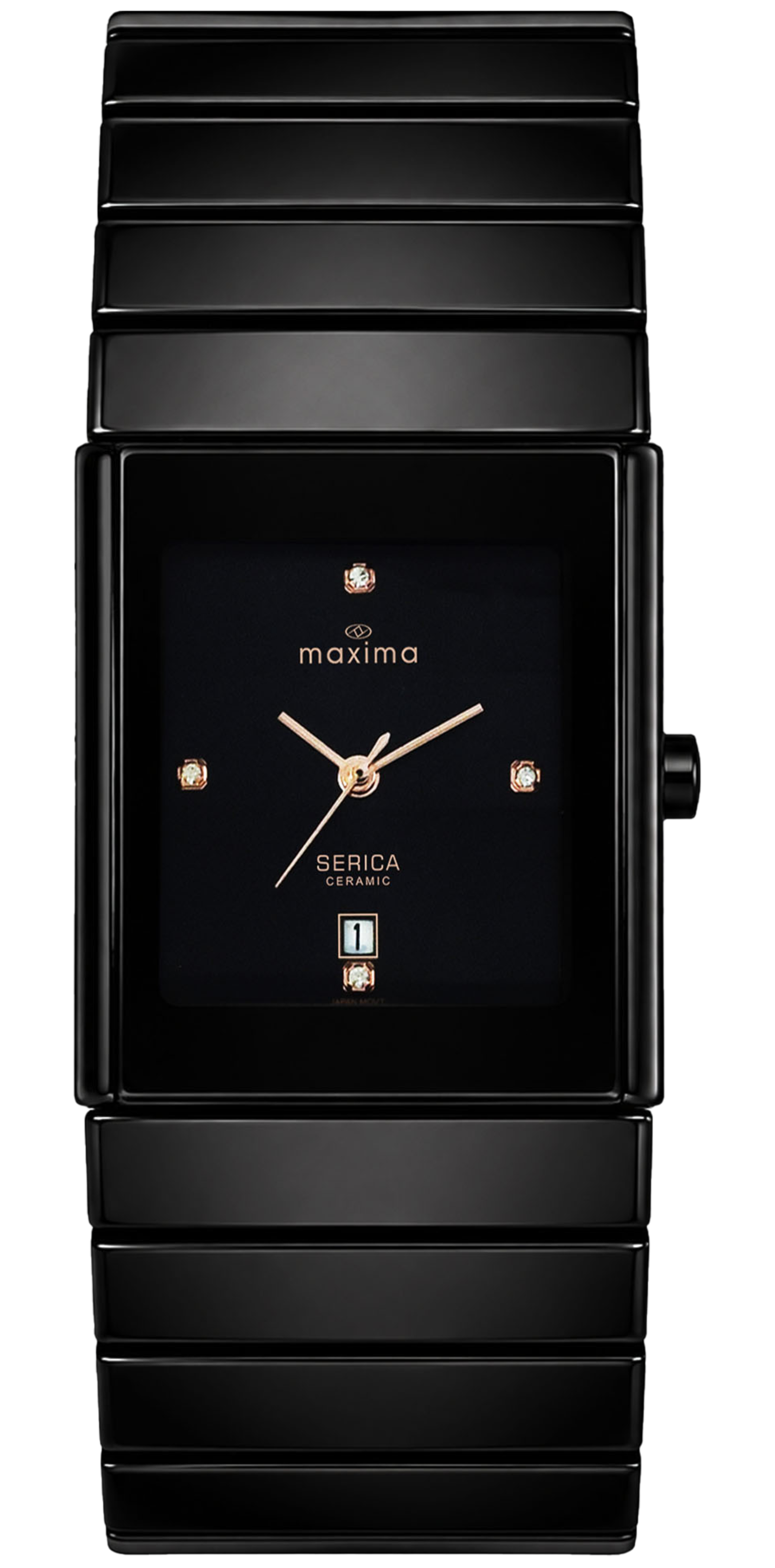
High-tech zirconium ceramic bezel and case paired with an ultra-slim mechanical automatic movement.
Scratchproof Ceramic · Unisex · 39mm
Inquire Now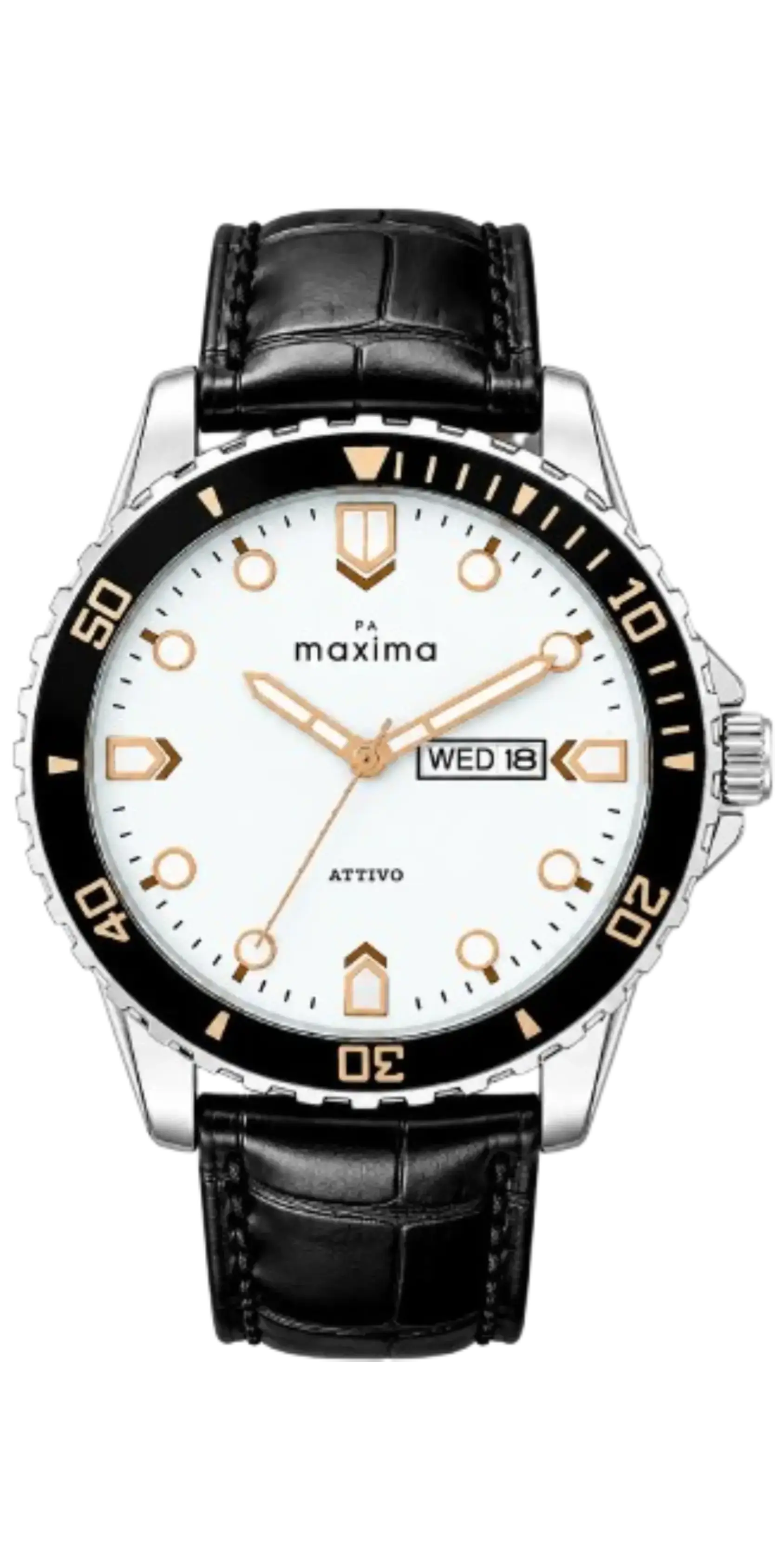
Rugged sport automatic featuring Super-LumiNova indices, shock-absorber movement mount, and integrated FKM strap.
Shock Resistant · 100M Water Pressure · Luminous
Inquire Now| Model Series | Caliber Architecture | Beat Rate / Frequency | Power Reserve | Case Material | Water Resistance | OEM MOQ |
|---|---|---|---|---|---|---|
| Apex Mechanical Heritage | Central Rotor Automatic / Hand-wind capability | 28,800 VPH (4 Hz) | 42 Hours | 316L Stainless Steel | 5 ATM (50 Meters) | 300 Pcs |
| Apex Luxe Executive | Custom Skeletonized Rotor / Day-Date Complication | 21,600 VPH (3 Hz) | 40 Hours | Dual-Finish 316L Steel | 10 ATM (100 Meters) | 300 Pcs |
| Serica Ceramic Automatic | Ultra-Thin Mechanical Automatic Caliber | 28,800 VPH (4 Hz) | 38 Hours | Zirconium Oxide Ceramic | 5 ATM (50 Meters) | 500 Pcs |
| Attivo Sport Mechanical | Reinforced Anti-Shock Automatic Assembly | 21,600 VPH (3 Hz) | 48 Hours | 316L Steel / PVD Coating | 10 ATM (100 Meters) | 300 Pcs |
| Custom Open-Heart OEM | Open-Balance Front Aperture / Skeleton Bridge | 21,600 VPH (3 Hz) | 40 Hours | Custom Choice (Steel/IP Gold) | 3 ATM - 10 ATM | 500 Pcs |
Strategic Sourcing Analysis
Key market developments reshaping how global brands, importers, and e-commerce leaders source mechanical timepieces over the next decade.
Global buyer searches for "open-heart automatic watch" and "skeleton dial mechanical watch" have increased significantly. Modern consumers demand visible confirmation of mechanical craftsmanship. Incorporating front balance-wheel cutouts and skeletonized bridges drives higher retail conversion rates and stronger premium positioning.
Standard 38-hour mainsprings are rapidly giving way to high-capacity 48-hour and 72-hour power reserves. End consumers expect "weekend-proof" mechanical watches that maintain timekeeping accuracy from Friday evening to Monday morning without requiring manual winding or watch winder support.
While traditional 316L stainless steel remains the benchmark for tool watches, high-tech sintered zirconium ceramic and light-weight fiber composites (such as Maxima's Aqua Fiber series) are expanding into mechanical lines. Non-scratch, light-weight, and hypoallergenic properties appeal directly to modern lifestyle consumers.
With smartphones, magnetic laptop enclosures, and wireless chargers surrounding everyday life, magnetic interference is the primary cause of mechanical watch inaccuracy. Future-proof procurement strategies prioritize anti-magnetic hairspring alloys (such as Nivachron or silicon components) to eliminate magnetization returns.
Speed to market is essential for contemporary watch brands. Leading B2B manufacturers are adopting modular movement platform architecture, allowing brands to customize rotors, dial textures, hand lume colors, and case backs with minimal tooling setup time and lower minimum order thresholds.
Enterprise procurement teams in Europe and North America now audit suppliers for environmental compliance, lead-free brass compliance (RoHS/REACH), and ethical labor standards. Vertically integrated manufacturing houses with traceable machining lines provide a decisive compliance advantage.
Manufacturing Authority
Maxima’s origins trace back to 1966 within the PA Group, beginning with high-precision machining of mechanical watch spares on a Petermann Swiss lathe. This foundational machine-tool lineage evolved into full mechanical movement assembly in Swiss collaboration, followed by mass quartz movement production in the late 1980s, and the landmark launch of guaranteed waterproof watches in 1996.
Unlike brand orchestrators who outsource 100% of assembly to unverified third parties, Maxima maintains vertically integrated control over case machining, movement regulation, gasket seating, double pressure testing, and final quality control under unified engineering oversight.
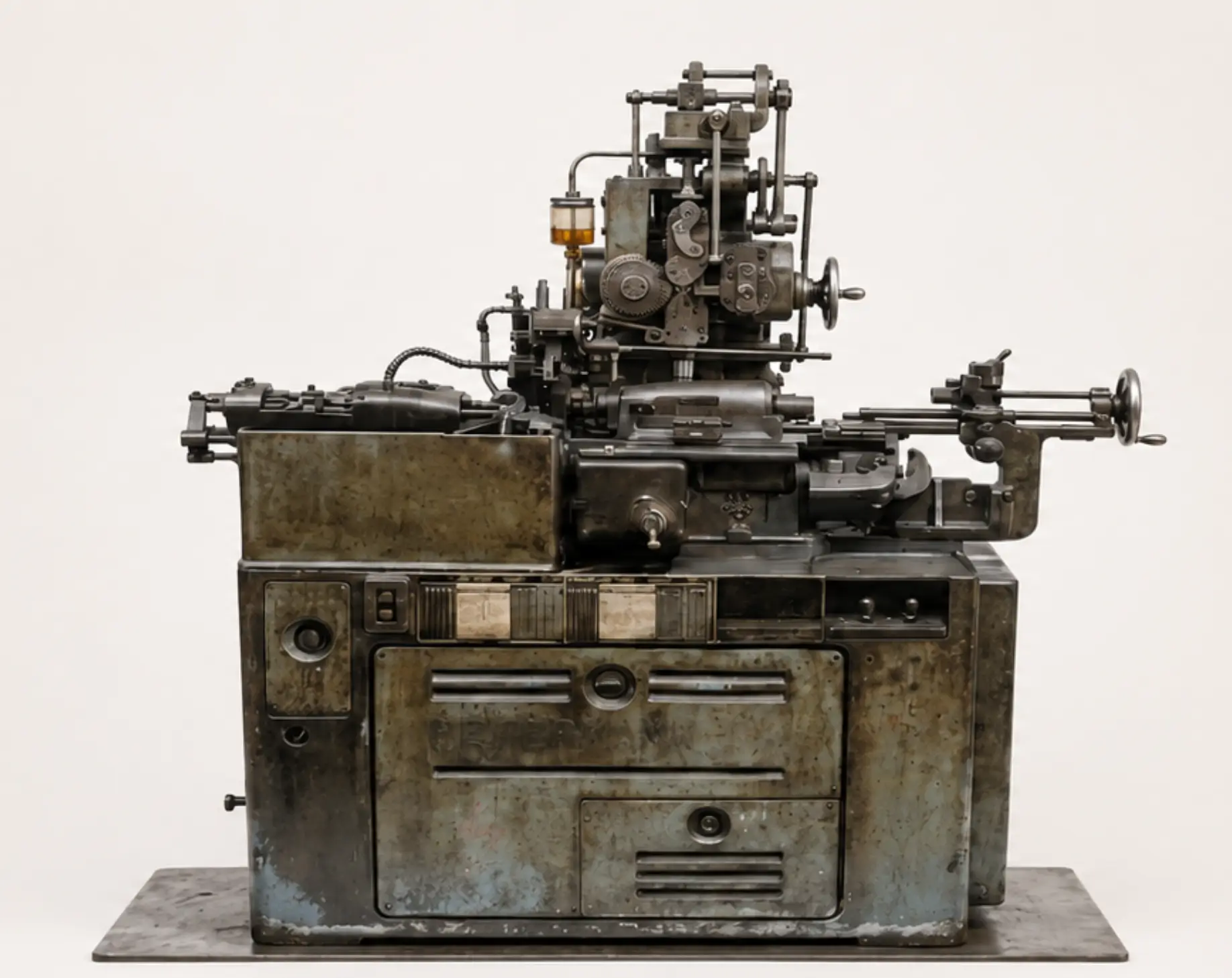
Machining mechanical watch components on Petermann Swiss lathes.
Swiss movement collaboration & transition into volume manufacturing.
Pioneered guaranteed waterproof test standards across all product lines.
Vertically integrated OEM/ODM supply chain serving worldwide brand partners.
Zero-Defect Verification
Every mechanical timepiece undergoes rigorous multi-stage testing before receiving authorization for global shipment.
Uncased mechanical calibers undergo automated rate measurement on multi-axis timing machines to verify daily gain/loss tolerances across dial-up, dial-down, and crown-side positions.
Cases machined from 316L steel or zirconium ceramic are checked via optical comparators to ensure thread dimensions, crystal seating grooves, and stem tube tolerances meet sub-micron standards.
Every sealed automatic case undergoes a two-step verification: first a dry vacuum and overpressure leakage check, followed by an immersion condensation test to guarantee water resistance claims.
Under 10x magnification, dial hands are checked for precise parallelism and vertical height clearance to eliminate drag, friction, or catching against hour markers and crystal undersides.
Sample lots from every production batch are placed on motorized auto-winders for full charge, then monitored over 48 consecutive hours to confirm total mainspring unwinding duration.
Each timepiece is laser-etched with traceable batch codes and serial identifiers, enabling full warranty tracking, genuinity verification, and long-term aftermarket component availability.
Procurement Intelligence
Automatic mechanical watches integrate a weighted oscillating rotor that winds the mainspring automatically through natural wrist motion, eliminating the need for daily manual crown winding or routine battery replacements. From an engineering standpoint, an automatic watch consists of hundreds of micro-machined metal components—gears, pinions, jewels, levers, and a balance spring—working in harmonic sync. For B2B importers, automatic watches command significantly higher retail price points, stronger brand prestige, and greater customer loyalty compared to electronic quartz alternatives.
Unregulated mass-market mechanical movements generally operate within an accuracy range of -20 to +40 seconds per day under normal wearing conditions. However, Maxima performs multi-position bench regulation prior to casing, bringing target calibration tolerances down to -10 to +20 seconds per day for standard production runs, and tighter tolerances for premium high-frequency (28,800 vph) calibers. Temperature variations, magnetic field exposure, and user activity levels can also influence real-world mechanical rate performance.
Water resistance in automatic watches requires precise gasket compression around the crown stem, crystal rim, and threaded case-back. Maxima applies a dual-stage pressure testing protocol: first, a dry pneumatic vacuum test detects microscopic porosity or gasket misalignments; second, a wet immersion overpressure test subjecting cased watches to their rated depth (e.g., 5 ATM or 10 ATM), followed by a heated condensation check. Any unit exhibiting moisture ingress is instantly rejected.
Yes. Maxima specializes in full OEM/ODM customization for private label clients. Customization options for automatic mechanical lines include custom-shaped laser-engraved or skeletonized rotors, branded crown etching, bespoke dial finishes (sunray, guilloché, matte carbon), custom date wheel typography, Super-LumiNova hand fill, and custom display case-backs with printed or engraved brand graphics.
For custom OEM automatic mechanical watch projects, baseline minimum order quantities start at 300 to 500 units per style, depending on case material complexity (stainless steel vs ceramic) and caliber specifications. Sample prototyping typically requires 25 to 35 days, while full mass production runs require 45 to 65 days following sample sign-off and component allocation.
All materials utilized in Maxima automatic timepieces—including 316L stainless steel cases, solid steel bracelets, leather straps, FKM rubber bands, and PVD plating finishes—comply with international environmental and health standards, including European REACH regulation nickel-release limits and RoHS compliance for heavy metals. Full material test certificates can be provided during procurement onboarding.
Maxima provides comprehensive B2B warranty coverage against structural and manufacturing defects. Additionally, we support global distributors with spare component allocations—including replacement movement assemblies, stems, crowns, gaskets, crystals, and extra bracelet links—ensuring local service centers can perform routine maintenance without supply chain delays.