Section 1 · Technical Material Science
1. Understanding Ceramic Wristwatches: High-Tech Zirconium Oxide Physics and Sintering Mechanics
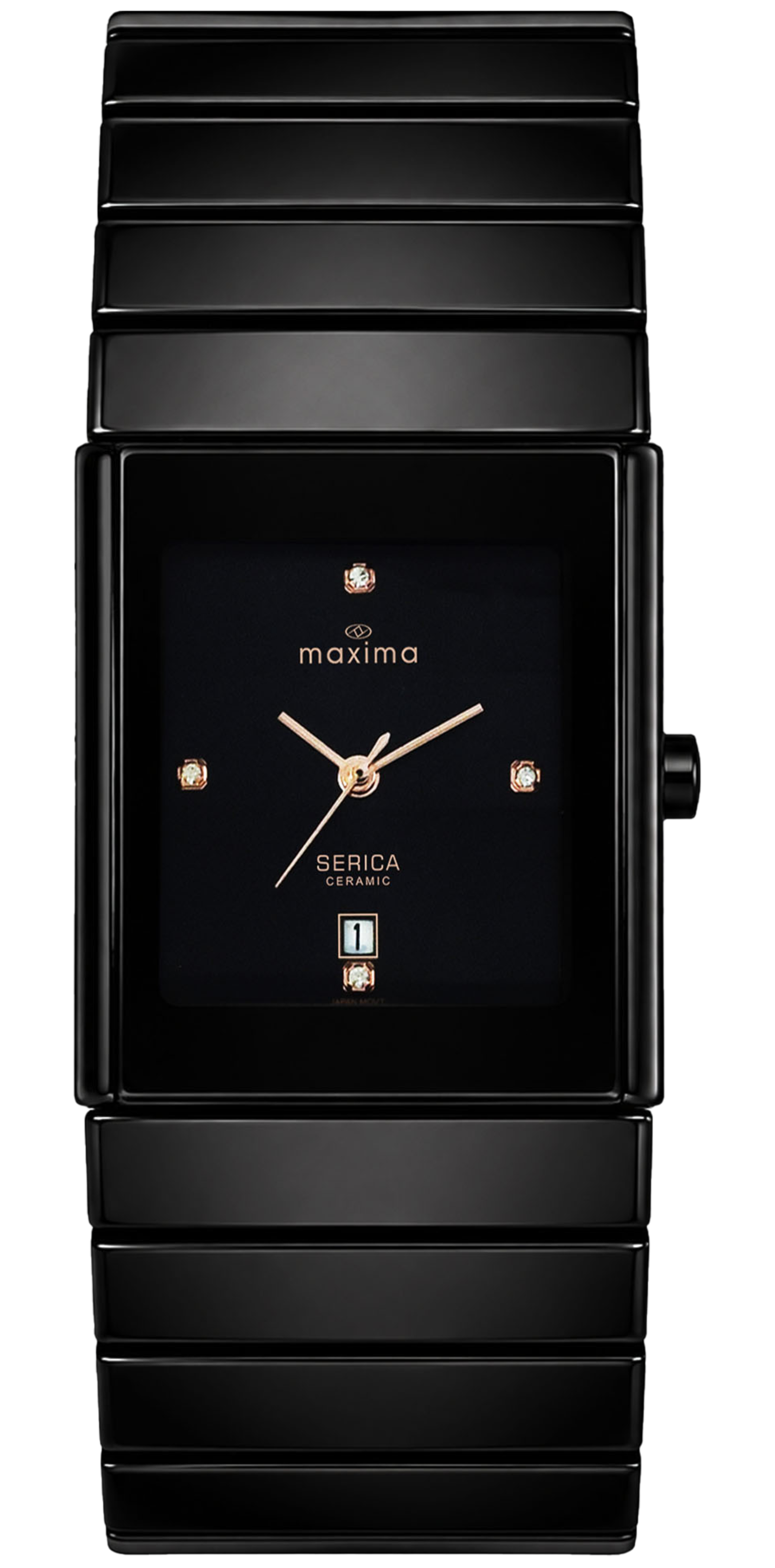
To successfully evaluate, specify, and procure high-margin ceramic wristwatches, commercial buyers must first understand the fundamental material science that differentiates technical high-tech ceramics from ordinary domestic porcelain or glass. Modern watchmaking ceramics do not utilize silica or clay; instead, high-grade ceramic wristwatches are engineered using micro-powdered Zirconium Oxide (ZrO2) stabilized with Yttria (Y2O3)—commonly designated in industrial engineering as Yttria-stabilized Tetragonal Zirconia Polycrystal (Y-TZP).
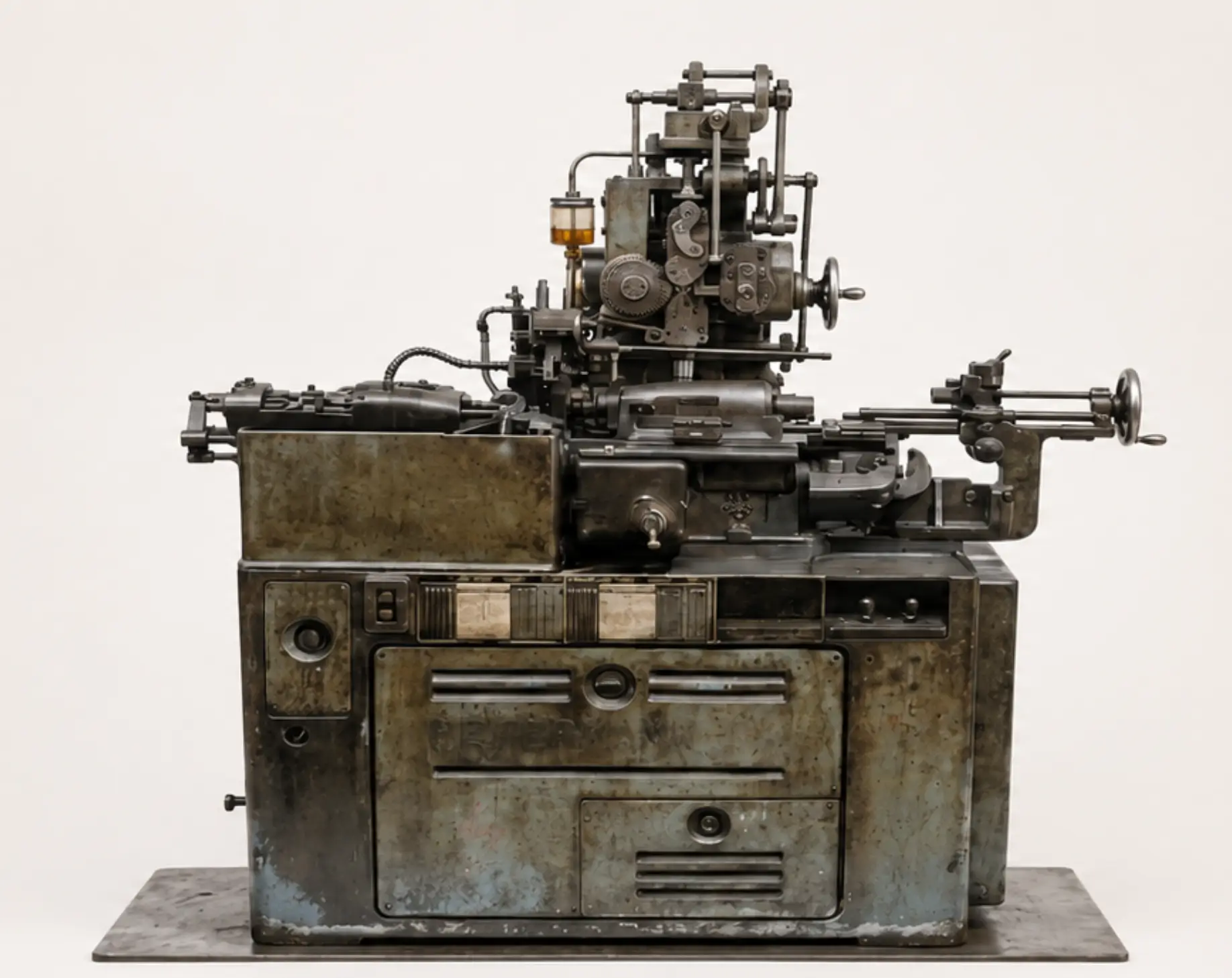
The manufacturing journey of a Maxima high-tech ceramic case begins with ultra-fine, high-purity sub-micron ZrO2 powders mixed with specialized organic binding agents. This compound is injected under high pressure into precision molds (Ceramic Injection Molding - CIM) to form what horological engineers term a "green state" case blank. At this initial phase, the blank is soft enough to be pre-machined using custom carbide tools, but it is expanded by approximately 20% to 25% to account for the massive volumetric shrinkage that occurs during thermal densification.
The 1,450°C Sintering Transformation
The green-state case blanks are subjected to an intensive, multi-stage debinding and sintering process inside computer-controlled high-temperature kilns. Over a carefully calibrated 48-hour thermal cycle, temperatures reach 1,450°C to 1,500°C. During sintering:
- Organic binders melt away cleanly without leaving carbon residues or micro-voids.
- Zirconia nanoparticles fuse together at a molecular level through solid-state diffusion.
- The microscopic pores completely collapse, densifying the ceramic body to near-theoretical specific gravity (~6.0 g/cm³).
- The case shrinks by exactly calculated percentages to reach its final, un-yielded physical dimensions.
The resulting material achieves a diamond-like scratch hardness, immune to daily contact with keys, desk surfaces, concrete dust, sand, and metallic friction.

Comparative Material Hardness and Engineering Trade-Offs
When sourcing luxury or daily-wear timepieces, corporate procurement teams frequently weigh the benefits of ceramic wristwatches against traditional metallic alloys such as 316L stainless steel, Grade 5 titanium, and anodized aluminum. The following engineering matrix provides key performance metrics across critical physical attributes:
| Physical Attribute | High-Tech Ceramic (Y-TZP ZrO2) | 316L Stainless Steel | Grade 5 Titanium (Ti-6Al-4V) |
|---|---|---|---|
| Vickers Hardness (HV 0.2) | 1,500 – 1,750 HV | 200 – 240 HV | 320 – 380 HV |
| Mohs Hardness Scale | 8.5 – 9.0 (Scratch Proof) | 5.0 – 5.5 (Prone to Scratches) | 6.0 (Scratch Resistant) |
| Density / Weight (g/cm³) | ~6.0 g/cm³ (Smooth, Substantial) | ~7.9 g/cm³ (Heavy) | ~4.43 g/cm³ (Ultra Lightweight) |
| Bio-Compatibility / Skin Reactivity | 100% Hypoallergenic (Bio-inert) | Nickel content can trigger allergies | 100% Hypoallergenic |
| UV / Solar Color Stability | Infinite (Zero fading over lifetime) | N/A (Metals don't fade, but coatings peel) | N/A (Surface oxides can smudge) |
| Thermal Conductivity | Very Low (Adapts instantly to body heat) | High (Feels cold to skin) | Moderate |
As demonstrated above, ceramic wristwatches offer global retailers an unbeatable value proposition: skin-friendly hypoallergenic wear coupled with permanent aesthetic resistance against everyday wear-and-tear scratches that degrade stainless steel watches within months of purchase.