Procurement Intelligence FAQ
Frequently Asked B2B Questions on Activewear Timepieces
What specific dynamic pressure considerations apply to water-resistant activewear timepieces?
Static laboratory pressure tests (e.g., 5 ATM or 50 meters) measure water resistance under stationary conditions. However, when an athlete swims, dives, or operates watercraft, arm motion creates localized dynamic pressure spikes. A standard surface stroke can add up to 1.5 to 2 bars of dynamic hydro-force. Maxima designs all activewear cases with a minimum safety factor ratio of 1.25x beyond static ratings, utilizing dual-stem O-rings and reinforced compression backplates to counteract these dynamic spikes.
How do Fluororubber (FKM) gaskets compare to standard Nitrile (NBR) gaskets in activewear watches?
Nitrile (NBR) gaskets are adequate for standard dress watches but degrade faster when exposed to body sweat oils, sunscreens, and saltwater UV radiation. Fluororubber (FKM) exhibits vastly superior chemical inertia, minimal compression set over time, and high ozone resistance. For commercial activewear timepieces exposed to demanding athletic conditions, FKM gaskets preserve their waterproof elasticity up to three times longer than standard rubber seals.
What testing procedures ensure zero water leakage in bulk wholesale production orders?
Maxima enforces a two-tier 100% individual unit testing protocol rather than relying on statistical sampling. First, cased watches undergo dry-air vacuum testing to detect micro-porosity in metals or gasket misalignments. Second, units undergo wet hydrostatic chamber immersion followed by a hot-plate condensation test (heating the case to 40°C and dropping cold water on the crystal). Any internal fogging or moisture vapor indicates seal compromise, triggering immediate line rejection.
What OEM / ODM customization options are available for corporate or retail brand buyers?
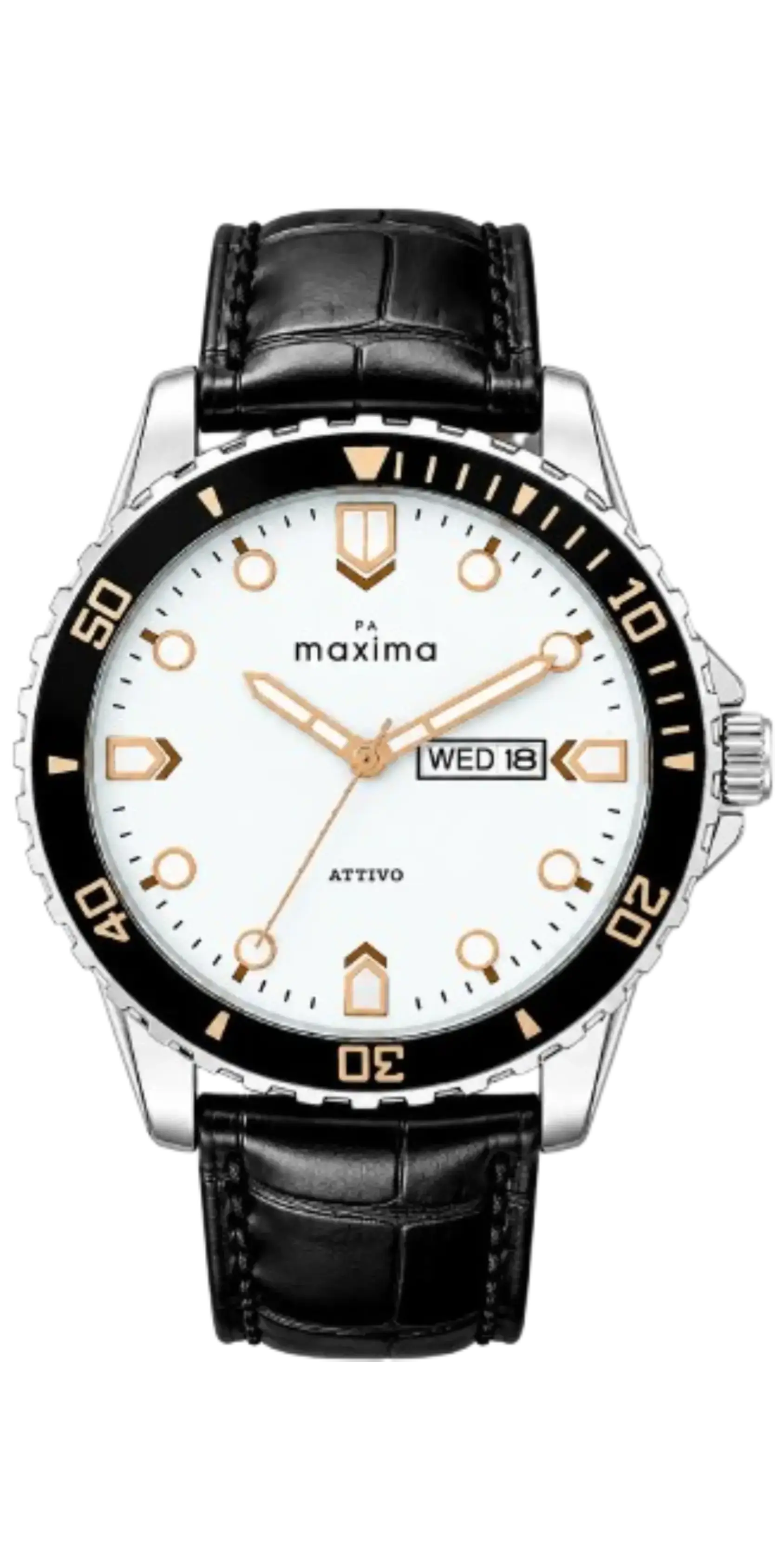
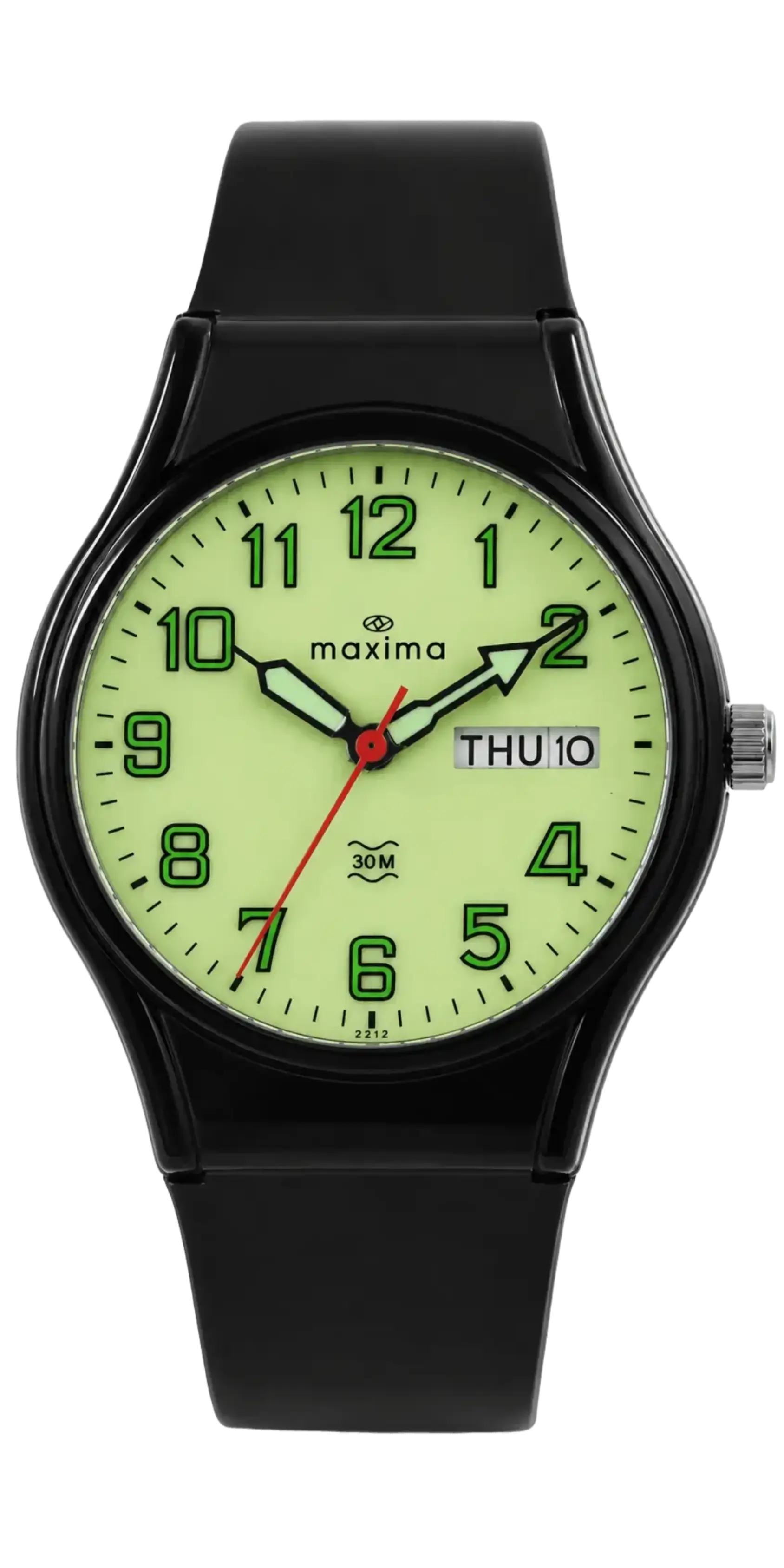
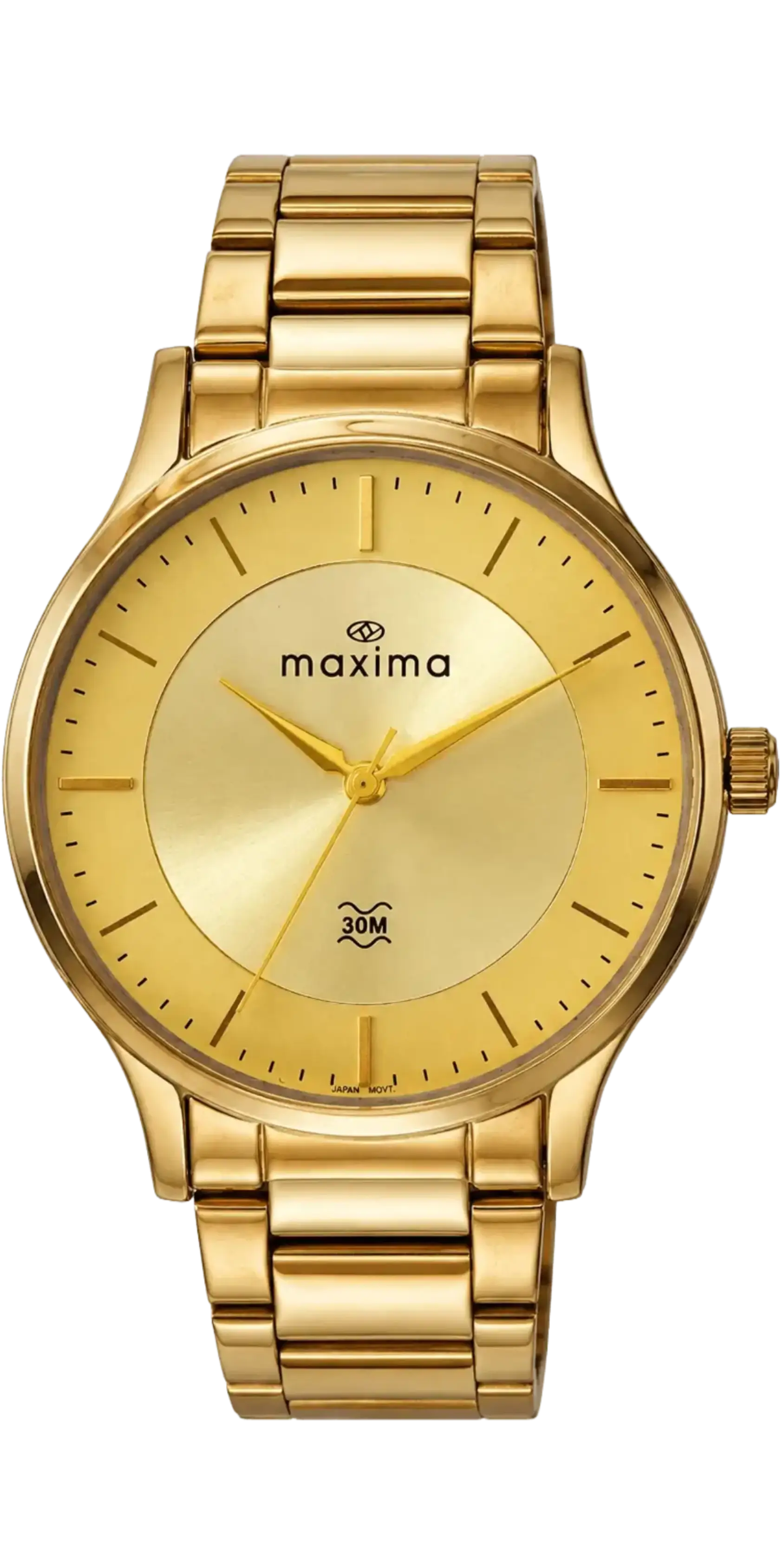
We provide full white-label and OEM customization services. This includes custom dial artwork printing, diamond-cut or luminous applied indices, customized color anodization or PVD plating for cases, laser-engraved case backs and crowns, bespoke custom silicone or leather-FKM hybrid straps, and private-label gift packaging. Minimum Order Quantities (MOQs) are structured flexibly based on component standardization.
Why is 316L stainless steel preferred over brass or alloy for water-resistant sports watches?
316L surgical-grade stainless steel contains molybdenum, which grants exceptional resistance to chloride corrosion (sea salt) and pitting compared to standard brass or lower-grade alloys. While plated brass can wear away over time under heavy human perspiration—exposing raw metal to oxidation—316L maintains structural integrity and cosmetic finish permanently, ensuring gasket seats remain smooth and leak-free.
What lead times and supply chain capabilities does Maxima offer for international orders?
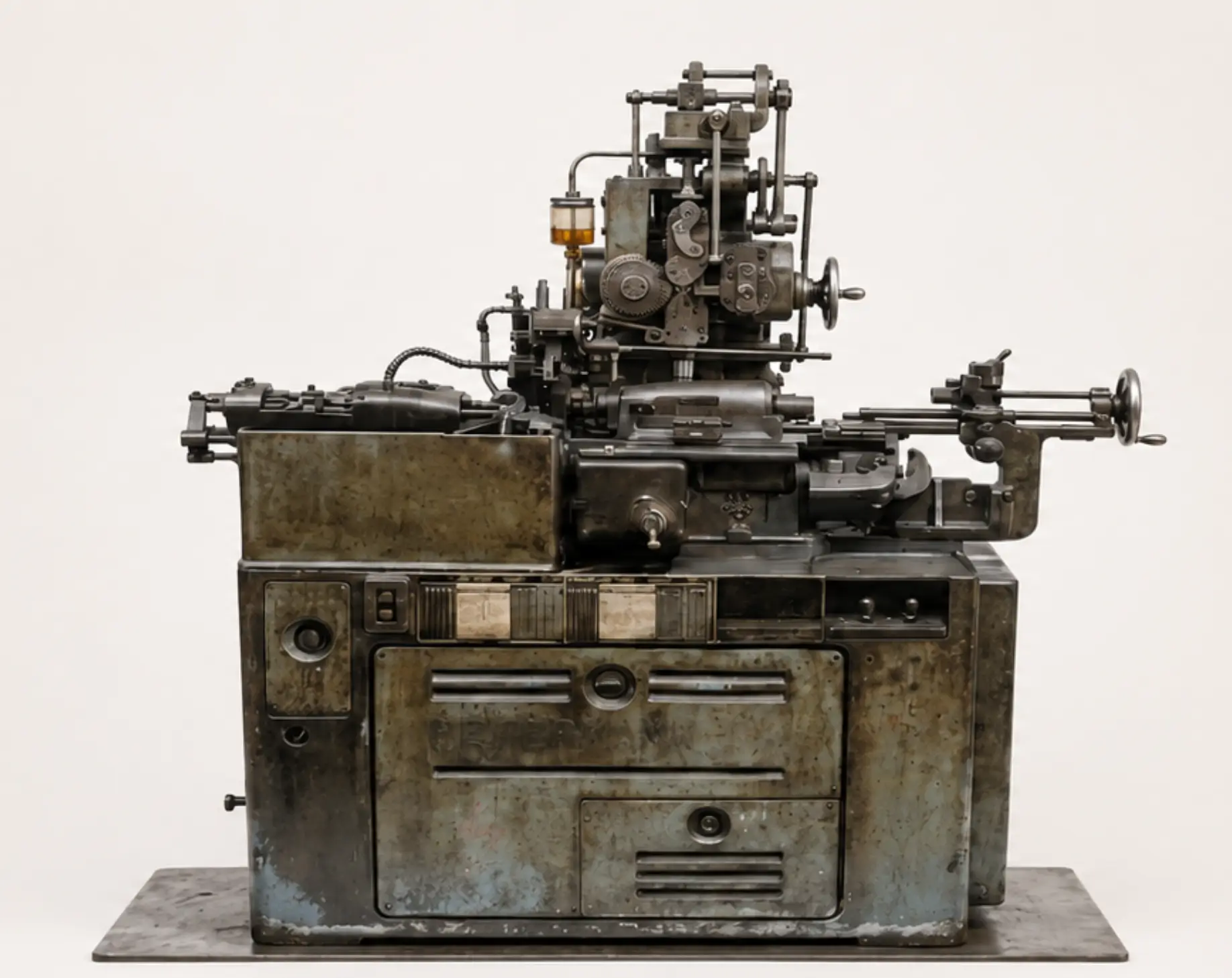
Thanks to our vertical manufacturing integration—handling case machining, stamping, gasket fitting, dial assembly, and quality control under one roof—our standard lead time for OEM production ranges between 35 to 55 days post sample approval. Stock wholesale collections are available for expedited dispatch. Complete export documentation, HS code compliance, and international freight coordination are handled by our dedicated export team.
What warranty protection and after-sales support do you offer to global distributors?
Maxima timepieces carry a comprehensive factory manufacturer warranty against manufacturing defects, material failures, and water ingress breaches. We supply our international distribution partners with spare component kits (gaskets, stems, glass, straps, movements) and provide technical training manuals for localized service centers.