Technical Metallurgy & Material Science
1. Demystifying High-Tech Ceramic: Zirconium Oxide (ZrO₂) vs. Traditional Metals
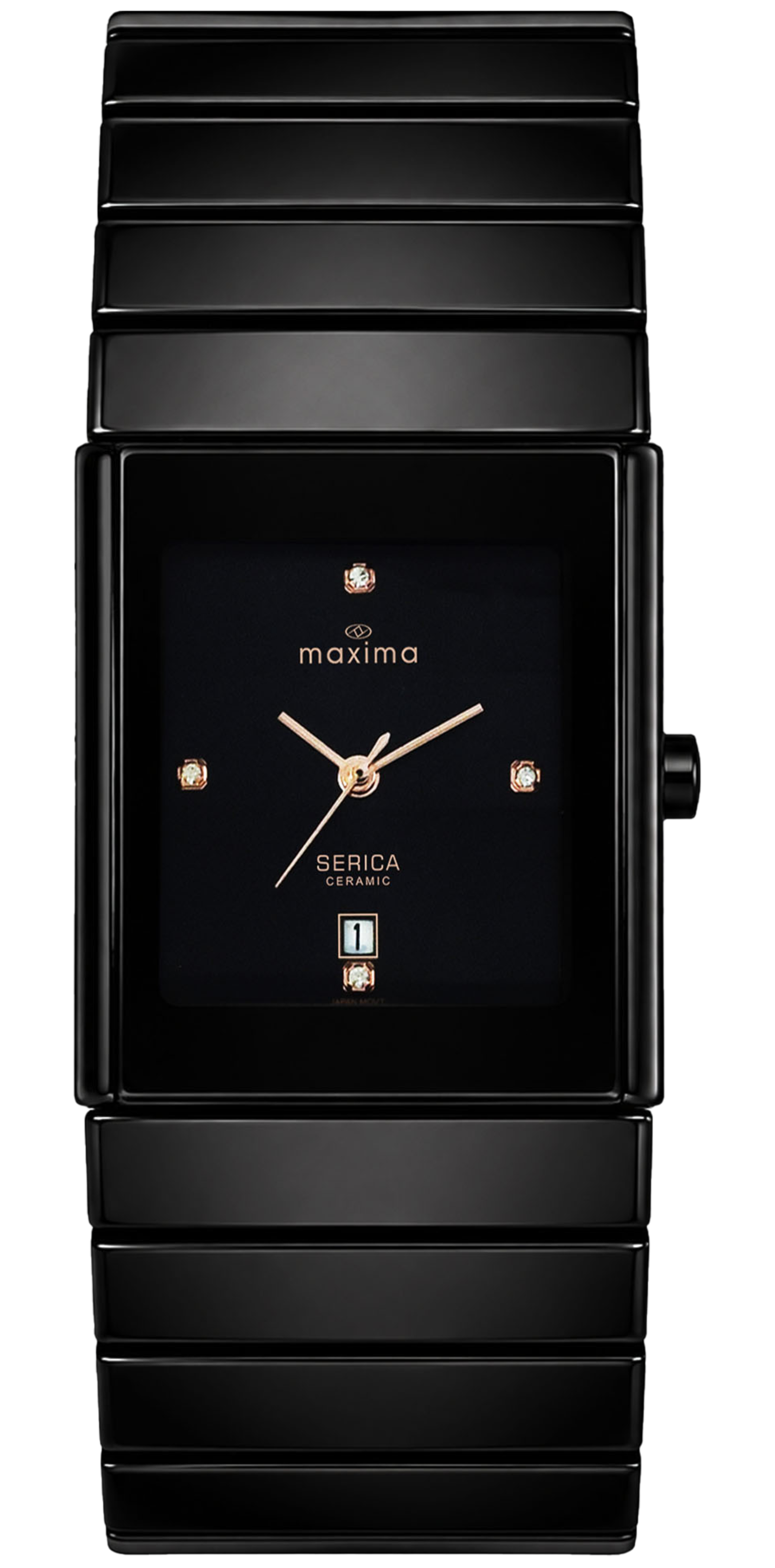
To make informed procurement decisions, supply chain teams must understand why high-tech ceramic (specifically Yttria-stabilized Tetragonal Zirconia Polycrystals, or Y-TZP) has emerged as the premier choice for modern women’s luxury timepieces. Unlike decorative plastic or surface-coated metals, ceramic cases used in horology are high-density inorganic non-metallic solids synthesized through high-temperature sintering.
High-tech ceramic offers a unique combination of physical properties that solve common consumer pain points associated with traditional metal watches, such as surface scratching, heavy wrist mass, and skin allergies caused by nickel leaching in lower-grade stainless steels.
| Material Parameter | High-Tech Ceramic (ZrO₂) | Stainless Steel (316L) | Titanium (Grade 5) | Base Metal / Brass (PVD) |
|---|---|---|---|---|
| Vickers Hardness (HV) | 1400 – 1600 HV | 200 – 240 HV | 320 – 350 HV | 120 – 150 HV |
| Scratch Resistance | Exceptional (Diamond only) | Moderate (Prone to swirls) | Moderate to Good | Poor (Plating flakes off) |
| Specific Density (g/cm³) | 5.9 – 6.0 g/cm³ | 7.98 g/cm³ | 4.43 g/cm³ | 8.40 g/cm³ |
| Biocompatibility / Allergy | 100% Hypoallergenic | Contains 10-14% Nickel | Highly Hypoallergenic | High Risk of Dermatitis |
| Thermal Conductivity | Low (Adapts to body temp) | High (Feels cold initially) | Low | High |
| UV & Color Stability | Permanent (Zero fading) | N/A (Uncoated) | N/A (Uncoated) | Fades/tarnishes in 12-24 mo |
| B2B Unit Cost Index | Mid - High (Yield dependent) | Baseline / Standard | High | Low (Entry level only) |
The Manufacturing Process: From Sub-Micron Powder to Polished Horology
The creation of a Maxima ladies ceramic watch case involves an intricate multi-stage process that requires extreme thermal control and diamond tooling precision:
- Powder Preparation & Binding: Ultra-pure sub-micron Zirconium Oxide (ZrO₂) powder is blended with Yttria (Y₂O₃) as a stabilizing agent and mixed with organic binders to create a homogenous feedstock capable of ultra-fine molding.
- High-Pressure Injection Molding (CIM): The feedstock is injected into precision-machined molds at elevated temperatures to form the "green body" case. Molds are calculated ~20% to 25% larger than the final target dimensions to compensate for sintering shrinkage.
- Debinding & High-Temperature Sintering: The green case undergoes thermal debinding to burn off organic binders before being heated in computer-controlled kilns at 1450°C. During this process, ceramic particles fuse, closing microscopic voids and creating a dense, ultra-hard structure.
- Diamond Machining & CNC Milling: Because the post-sintered ceramic has a hardness of ~1500 HV, standard steel or carbide cutting tools are useless. High-speed CNC stations equipped with electroplated diamond wheels cut movement seats, crystal step ledges, and gasket grooves with tolerances up to ±0.005mm.
- Multi-Stage Abrasive Polishing: Ceramic cases and bracelet links are placed in vibrating diamond-slurry polishing vats for 72 to 120 hours. This step produces the deep, glassy, mirror-like luster characteristic of luxury ladies ceramic watches.