The 2026 guide to Men's analog watches begins with a simple question: what deserves space on your wrist? Market data offers useful direction, but it cannot choose your daily companion.
The Federation of the Swiss Watch Industry reported Swiss watch exports of about CHF 26 billion in 2024. That figure shows continuing demand for traditional timepieces, despite smartwatches and economic uncertainty. Deloitte’s 2024 Swiss Watch Industry Study also surveyed watch executives and consumers about changing preferences, pricing pressure, sustainability, and younger buyers. These findings suggest a more careful market. Buyers increasingly examine durability, brand history, service access, and long-term value.
The details matter.
A 38-millimeter case may disappear beneath a shirt cuff. A 42-millimeter diver can feel heavy during a long commute. Sapphire crystal resists daily scratches, while a leather strap develops marks that become personal. Movement accuracy matters, but comfort often decides whether a watch stays on your wrist.
Watch journalist Ariel Adams has emphasized, “The best watch is the one you will actually wear.” That practical view should guide this 2026 selection. A famous logo does not guarantee a good fit, and a lower-priced model is not automatically inferior. Some recommendations may age quickly as prices, supply, and consumer tastes change. That is worth admitting.
This guide compares Men's analog watches through design, movement type, materials, reliability, maintenance, and realistic ownership costs. It considers mechanical and quartz models without treating either technology as morally superior. The strongest choice may not be the most expensive one. It may be the watch that feels balanced at 7:30 a.m., survives rain, and still earns a glance before bedtime.
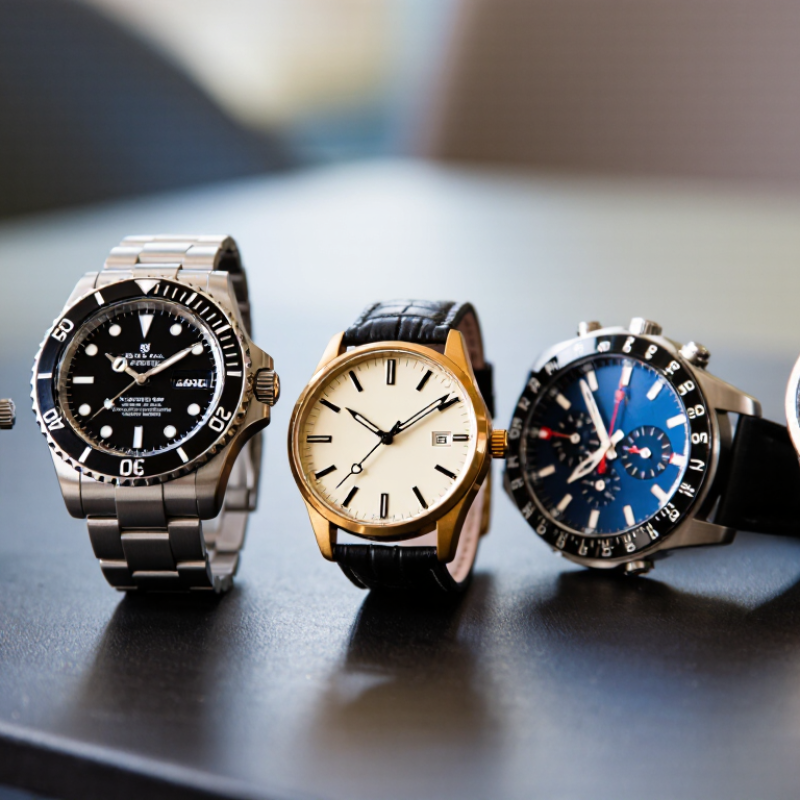
A modern men's analog watch in 2026 is less about showing status and more about showing judgment. After testing watches in offices, commutes, and rainy weekend walks, I look for quick legibility first. A clear dial, strong contrast, and luminous hands matter when a phone is buried in a coat. Case proportions have also changed. A 38-to-41-millimeter case often sits comfortably without dominating the wrist. Bigger is not always better.
Reliable construction now includes more than a polished case. A dependable quartz or mechanical movement should offer stable timekeeping, documented service support, and honest water-resistance guidance. I prefer scratch-resistant crystal, stainless steel, and straps that can handle sweat, rain, and repeated daily use. A bracelet suits meetings, while textured rubber or woven fabric feels practical on weekends. No gimmicks.
Digital convenience has not made analog watches irrelevant. Many 2026 models use discreet engineering, including antimagnetic protection, improved power reserves, slimmer automatic calibers, or hybrid tracking accessories. Yet specifications can distract from daily comfort. I once chose a beautiful watch with sharp lugs; it looked impressive but irritated my wrist by evening. That mistake still influences my buying advice. Check the clasp, crown, and night visibility in person when possible. Independent testing, transparent warranty terms, and repairable parts deserve more trust than dramatic advertising. The best modern analog watch feels calm, readable, and durable, even when its owner forgets to admire it.
In 2026, choosing a men’s analog watch requires more than admiring its dial. Compare movement accuracy, case durability, readability, and service access. Quartz movements usually offer dependable precision with little maintenance. Mechanical movements provide craftsmanship, but they need regular servicing and may gain or lose seconds daily. Check the power reserve, adjustment system, and warranty terms before buying. Small details matter.
Case material affects daily comfort. Stainless steel resists routine knocks, while titanium feels lighter on the wrist. Sapphire crystal generally offers stronger scratch resistance than mineral glass. Water resistance also needs careful interpretation. A rating for brief splashes does not guarantee safety during swimming. ISO 22810 provides testing guidance, but real-world seals can age. Swiss watch exports reached about CHF 26.0 billion in 2024, according to the Federation of the Swiss Watch Industry. That figure reflects market scale, not automatic quality. I still consider fit more important than prestige.
Tips: Measure your wrist before selecting case width. A 38–40 mm case often suits smaller wrists, while larger wrists may handle 42 mm comfortably. Look for clear markers, strong lume, and a secure clasp. Deloitte’s 2024 Swiss Watch Industry Study highlights quality and design as key consumer considerations. Yet reports cannot judge comfort on your wrist. Try the watch for ten minutes. If the crown presses your hand, reconsider.
| Watch Type | Typical Movement | Typical Accuracy | Power Source / Reserve | Common Case Size | Water Resistance | Main Advantages | Important Limitations | Best For |
|---|---|---|---|---|---|---|---|---|
| Quartz Dress Watch | Battery-powered quartz | About ±15 seconds per month | Replaceable battery; usually 2–4 years | 36–40 mm | 30–50 m | Slim, accurate, affordable, and easy to maintain | Requires periodic battery replacement; limited water protection on slimmer models | Office wear, formal occasions, and first-time buyers |
| Solar Quartz Watch | Solar-charged quartz | About ±15 seconds per month | Light-powered rechargeable cell; commonly 6–12 months in darkness | 38–44 mm | 50–100 m | Low maintenance, accurate, and reduces routine battery changes | Rechargeable cell eventually needs servicing; prolonged darkness can stop the watch | Daily wear, travel, and practical low-maintenance use |
| Hand-Wound Mechanical Watch | Manual mechanical | Commonly about −10/+20 seconds per day | Mainspring; approximately 36–60 hours per winding | 36–40 mm | 30–50 m | Traditional construction, thin profile, and engaging daily ritual | Must be wound regularly and is less accurate than quartz | Traditional watch enthusiasts and formal styling |
| Automatic Mechanical Watch | Self-winding mechanical | Commonly about −10/+20 seconds per day | Rotor-wound mainspring; approximately 36–80 hours of reserve | 39–42 mm | 50–200 m, depending on design | No routine battery changes and strong mechanical appeal | Stops after extended inactivity; requires periodic servicing and careful shock protection | Everyday wear, collectors, and casual-to-business outfits |
| Field Watch | Quartz, solar quartz, or automatic | Depends on movement; quartz is generally more accurate | Battery, light-powered cell, or mechanical mainspring | 36–41 mm | 50–100 m | Clear numerals, strong legibility, and versatile everyday design | Usually fewer formal styling details; fabric straps may absorb water | Outdoor activities, casual wear, and minimalists |
| Diver-Style Watch | Quartz, solar quartz, or automatic | Depends on movement type | Battery, rechargeable solar cell, or mechanical mainspring | 40–44 mm | Typically 100–300 m | High water resistance, luminous markers, and timing bezel | Often thicker and heavier; rotating bezel is unnecessary for ordinary office use | Swimming, water sports, travel, and rugged daily wear |
| Chronograph Watch | Quartz or mechanical with stopwatch function | Depends on movement type | Battery, solar cell, or mechanical mainspring | 40–44 mm | 50–100 m | Measures elapsed time and adds a sporty, technical appearance | More crowded dial, greater thickness, and potentially higher maintenance cost | Motorsport fans, active lifestyles, and sporty casual outfits |
| GMT-Style Analog Watch | Quartz or mechanical with an additional 24-hour hand | Depends on movement type | Battery, solar cell, or mechanical mainspring | 39–43 mm | 50–100 m | Tracks a second time zone and is useful for frequent travel | Additional hand and scale can reduce dial simplicity; setup varies by movement | Business travelers, international teams, and frequent flyers |
The best analog watch depends on your wrist, routine, and budget. For office wear, choose a slim dress watch with a clean dial and leather strap. It fits beneath a cuff and looks calm during meetings. A field watch suits casual clothing better. Its clear numerals and strong hands remain useful outdoors. Divers’ watches offer bold cases and water resistance, but their thick profiles can feel excessive at a desk.
Budget changes the decision. Under $200, quartz analog watches usually provide stronger accuracy and lower maintenance. Look for mineral or basic sapphire-like scratch protection, sealed crowns, and a comfortable strap. Around $200 to $1,000, automatic movements add mechanical interest, though accuracy may vary by several seconds daily. Above $1,000, finishing and movement regulation matter more than extra functions. Expensive does not always mean practical.
The Federation of the Swiss Watch Industry reported Swiss watch exports of about CHF 26 billion in 2024. That figure shows continuing demand, but it does not prove every premium watch offers better value. Deloitte’s 2024 Swiss Watch Industry Study also identified affordability and pre-owned purchasing as important market concerns. My practical rule is simple: try the watch for ten minutes. Check the crown, lug pressure, and evening readability. I once preferred a smaller case after discovering that a larger one caught on every jacket sleeve. That detail changed my choice. Water resistance ratings can also disappoint when owners ignore worn seals and skipped servicing.
Top Men’s Analog Watch Picks for 2026
Choosing a men’s analog watch in 2026 starts with daily use, not online popularity. After comparing watches in offices, commutes, and rainy walks, I value clear timekeeping above decoration. A balanced 38–42 mm case suits many wrists without feeling heavy. Look for strong contrast, steady hands, and markers that remain readable in dim rooms. A scratch-resistant crystal helps, while a dependable movement supports long-term confidence. Check the service details before purchasing.
For formal wear, choose a slim watch with a simple dial and a leather or fine metal strap. For work and travel, a field-style model with bold numerals and a durable steel case feels more practical. A sport-focused analog watch should offer useful water resistance, secure crown protection, and comfortable grip during movement. I prefer replaceable straps because sweat changes the wearing experience quickly. Small details matter.
My favorite everyday choice combines a quiet dial, moderate weight, and reliable accuracy. It should look suitable with denim, a jacket, or a pressed shirt. I still sometimes choose style over practicality, and that is not always wise. A beautiful watch can become frustrating when the hands disappear against the dial. Buyers should compare verified specifications, warranty terms, and independent user feedback. Personal taste remains important, but comfort should not be treated as an afterthought.
For a 2026 men’s analog watch, buy for daily life, not only dial appeal.
Swiss watch exports reached CHF 26.0 billion in 2024, according to the Federation of the Swiss Watch Industry. Exports still fell 2.8% year over year. That change encourages careful buying, not impulse spending.
Deloitte’s 2024 Swiss Watch Industry Study reports that consumer expectations and digital discovery strongly influence purchasing decisions. Choose a readable dial, reliable movement, and comfortable case size. A 38–40 mm case suits many wrists without feeling oversized.
Maintenance begins with simple habits.
Set the time with clean, dry fingers. Keep the crown fully pushed in during daily wear. Wipe metal surfaces with a soft, slightly damp cloth. Never test water resistance at home. ISO 22810 water-resistance ratings describe laboratory conditions, not every swimming situation.
Ask a qualified watchmaker for a pressure test after opening the case. Mechanical watches often need periodic servicing, but the schedule depends on movement, age, and use. I sometimes delay service too long. That is not good practice.
Wear the watch where it stays visible but avoids hard knocks. Match leather with formal clothing and fabric or steel with relaxed outfits. Keep the watch away from magnets, hot cars, and strong chemicals.
A watch box should remain dry, padded, and dust-free. Wind a mechanical movement slowly, without forcing the crown. Quartz models need timely battery replacement.
Small mistakes happen. The useful response is noticing them early.
Quartz movements usually provide steady precision with little maintenance. Mechanical movements offer craftsmanship but may gain or lose seconds daily.
Stainless steel handles routine knocks and feels solid. Titanium feels lighter, especially during long commutes or warm afternoons.
Sapphire crystal generally resists scratches better than mineral glass. However, durability can increase the price.
No. A splash rating does not guarantee swimming safety. Seals can age, even when the watch looks perfect.
A 38–40 mm case often suits smaller wrists. Larger wrists may handle 42 mm comfortably. Measure your wrist before buying.
Choose strong contrast, clear markers, steady hands, and visible lume. Test the dial in a dim room.
A slim watch works well with formal clothing. A field-style watch suits work and travel. Sport-focused designs need secure crowns and useful water resistance.
Review the warranty, service access, adjustment system, power reserve, and verified specifications. Try the watch for ten minutes.A poor fit becomes obvious.
Yes. Sweat can quickly change comfort during warm days. Replaceable straps also help one watch suit denim, jackets, or shirts.
Both matter, but comfort should not be an afterthought. I sometimes choose beauty over usefulness, and that choice can become frustrating.
In 2026, men’s analog watches combine traditional timekeeping with modern materials, practical features, and refined design. A well-chosen watch should match the wearer’s lifestyle, whether for business, outdoor activities, daily use, or special occasions. Important factors to compare include movement type, case and strap materials, water resistance, dial readability, comfort, durability, accuracy, and overall value. Buyers should also consider how the watch’s size, color, and style complement their clothing and personal taste.
The best analog watch depends on individual needs and budget, from simple everyday designs to sophisticated mechanical or multifunction models. When selecting among men’s analog watches, focus on reliability and long-term comfort rather than appearance alone. Proper care includes keeping the watch clean, avoiding unsuitable conditions, checking its water resistance, storing it safely, and following a regular maintenance schedule. Wearing an analog watch with confidence and matching it thoughtfully to different outfits can make it both a useful timekeeping tool and a lasting part of personal style.