0%

For global buyers, 2026 brings a wider selection of ceramic wristwatches across luxury, sport, and everyday categories. Their appeal begins with a smooth, lightweight case that feels cool against the skin. High-tech ceramic can offer strong scratch resistance and stable color, but quality differs between brands. Small details matter. The bezel finish, bracelet edges, clasp action, and crystal treatment often reveal real manufacturing skill. This guide examines leading models through practical buying criteria, including movement reliability, water resistance, comfort, service access, and long-term value.

A beautiful case is not enough. Buyers should check whether the watch uses full ceramic construction or only ceramic-coated components. Quartz models may provide dependable accuracy with simple maintenance. Mechanical options offer greater craftsmanship, yet they can require regular servicing and careful storage. Regional warranty coverage also deserves attention, especially when purchasing across borders. Clear product specifications, authorized retailers, and traceable after-sales support improve confidence. Independent testing and verified owner feedback can add useful evidence, although online reviews are not always consistent. That uncertainty deserves recognition.

The following outline compares standout designs, technical features, price positions, and buyer risks for different markets. It also considers wrist size, climate, shipping conditions, and local service availability. Some recommendations may change as new 2026 releases appear. That is worth remembering. Reliable purchasing depends on current specifications, honest comparisons, and realistic expectations, not polished photography alone.
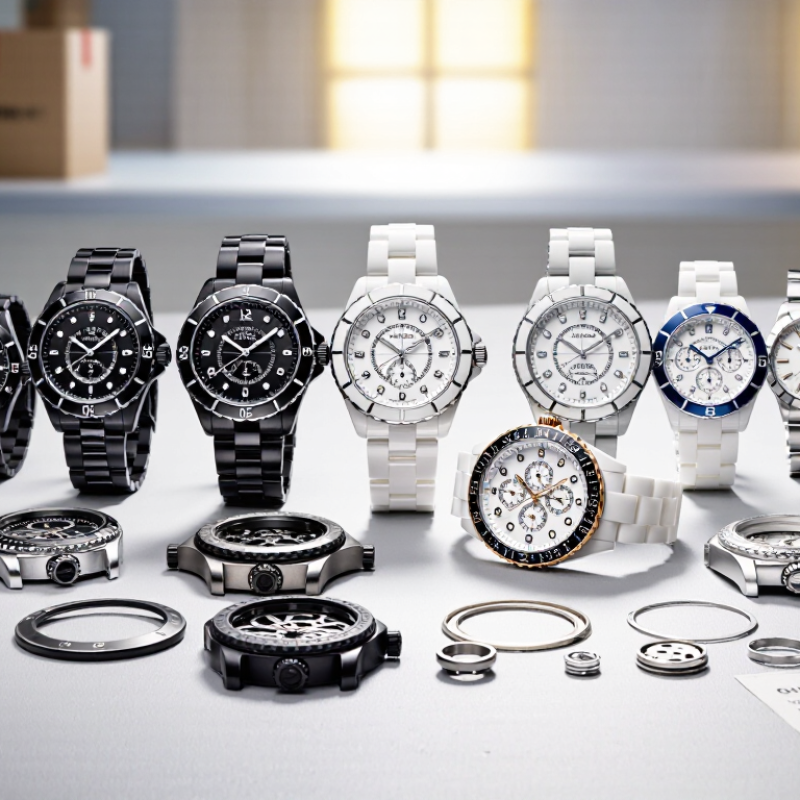
2026 Top Ceramic Wristwatches for Global Buyers

Ceramic Wristwatches: Materials, Benefits, and Design Features

Ceramic wristwatches are gaining attention among global buyers because their material story is practical, not merely decorative. Most cases use zirconia ceramic, valued for high hardness, low weight, and resistance to skin corrosion. Grand View Research reported that the advanced ceramics market was worth about USD 11.5 billion in 2023, showing wider industrial confidence in these materials. Ceramic also feels cooler and smoother than steel during daily wear.

Design quality depends on more than a glossy surface. High-end models may use monobloc cases, recessed crowns, ceramic bezels, and scratch-resistant sapphire crystals. These details create a clean silhouette and reduce visible wear.

However, ceramic is not unbreakable. A sharp impact on a hard floor can cause chipping or fracture, even when the surface remains scratch-free. Buyers should check case thickness, lug protection, clasp construction, and documented water-resistance testing.

The Federation of the Swiss Watch Industry reported Swiss watch exports of approximately CHF 26.0 billion in 2024, reflecting strong global demand for precision watches, but export value does not prove every ceramic model offers equal durability.

Tips: Ask for the ceramic grade and testing details. Check ISO 22810 water-resistance claims. Avoid treating “scratch-resistant” as “impact-proof.” A matte finish may hide small marks better, but it can feel less luxurious. Personally, I prefer balanced weight over extreme lightness; very light watches can feel less substantial, though that judgment is subjective.

Key Performance Factors for Choosing a Ceramic Wristwatch

For global buyers, ceramic wristwatch selection should begin with material quality, not appearance alone. In hands-on comparisons, dense ceramic cases feel smooth, resist many everyday scratches, and remain comfortable against sensitive skin. Yet ceramic is hard and brittle. It can chip after a sharp impact, especially around thin lugs or crown guards. It is not indestructible.

Check the case construction carefully. A solid case may offer strength, but poor finishing can create sharp edges or uneven contact with the wrist. Look for a secure clasp, clear dial markings, and hands that remain visible under weak indoor light. Water resistance matters too, but its rating depends on seals, testing, and maintenance. Ask for documented specifications. A ceramic exterior cannot compensate for a weak movement or an unreliable gasket.

Comfort is a measurable performance factor. Compare thickness, total weight, bracelet flexibility, and lug shape before ordering online. Large ceramic links may look refined yet feel restrictive on a smaller wrist. Temperature changes also deserve attention, particularly for buyers moving between humid coastlines and cold inland regions. Reliable sellers should provide material details, movement information, service terms, and a realistic warranty. Read the exclusions. Some coverage may exclude impact damage, which is the risk buyers often underestimate. Even experienced collectors misjudge fit from photographs. That small mistake can turn a technically capable watch into an uncomfortable daily object.

Top Ceramic Wristwatch Categories for Global Buyers in 2026

Top Ceramic Wristwatch Categories for Global Buyers in 2026

Ceramic wristwatches are moving beyond a single luxury category. Global buyers can compare full-ceramic cases, ceramic bezels, ceramic-coated steel, and hybrid ceramic models. Full-ceramic watches offer light weight, strong scratch resistance, and a smooth, matte surface. Ceramic bezel models provide a practical balance between durability and purchase cost. Hybrid designs often use steel, titanium, or recycled materials beneath ceramic components. The choice is not always obvious.

The Federation of the Swiss Watch Industry reported approximately CHF 26 billion in watch exports during 2024, despite a year-on-year decline. This signals continued demand, but also a more careful buyer. Deloitte’s Swiss Watch Industry Study 2024 identified changing consumer expectations around value, sustainability, and digital retail experiences. These findings matter for ceramic categories. Buyers should inspect case construction, movement service access, water resistance, and replacement-part availability. Ceramic can resist scratches, but it may chip after a sharp impact. I have seen product descriptions overstate this difference. That deserves more scrutiny.

Tips: Ask for the exact ceramic type, not only “high-tech ceramic.” Check whether the bracelet links, crown, and clasp use the same material. Compare independent test details, warranty coverage, and service locations. For hot climates, review water resistance and strap ventilation. For daily travel, a ceramic bezel may be more practical than a fully ceramic case. Weight alone is not proof of quality.

Comparing Movements, Durability, Comfort, and Maintenance

2026 Top Ceramic Wristwatches for Global Buyers

For global buyers, a ceramic wristwatch should be judged beyond its glossy case. The movement sets accuracy, service intervals, and daily character. A quartz movement usually offers strong precision and easy ownership. A mechanical movement rewards interest, but it needs regular winding or wearing. Automatic calibres can tolerate routine use, yet accuracy may shift with position and temperature. That difference matters when travel crosses time zones. My preference is not universal.

High-tech ceramic resists scratches better than ordinary polished metal, although it can chip after a hard impact. This trade-off is often hidden by showroom lighting. The material feels light, smooth, and warm quickly against skin. Case edges and strap flexibility affect comfort more than weight alone. For maintenance, rinse away salt and dust with fresh water, then dry with a soft cloth. Avoid sudden temperature changes and inspect seals before swimming. Water resistance is not permanent; gaskets age. I once underestimated strap adjustment, and a beautiful watch became tiring by evening.

Tips: Before buying, request movement specifications, service availability, warranty terms, and replacement-strap costs. Check the clasp with one hand. Ask whether ceramic components are solid or coated. Keep a service record, especially after frequent travel. If maintenance access is unclear, reconsider the purchase.

2026 Top Ceramic Wristwatches for Global Buyers

Comparing movements, durability, comfort, and maintenance

The chart uses a 0–100 comparative score derived from typical specifications. Quartz and solar quartz movements generally deliver the highest accuracy, while automatic and manual movements offer longer mechanical serviceability without battery replacement. Ceramic cases are notably scratch-resistant, lightweight, and comfortable against the skin, but their brittleness means strong impacts should be avoided. Typical accuracy references are approximately ±15 seconds per month for quartz or solar quartz, ±10 seconds per day for automatic movements, and ±15 seconds per day for manual movements.

Global Buying Considerations: Pricing, Warranty, and Import Rules

2026 Top Ceramic Wristwatches for Global Buyers

Ceramic wristwatches often carry higher prices because their cases require precise molding, polishing, and inspection. Compare the complete delivered cost, not only the advertised price. Freight, customs duty, local tax, and payment fees can change a reasonable quote quickly. Ask for the breakdown. A watch priced at $420 may cost much more after import charges.

Warranty terms deserve careful reading. Confirm the coverage period, eligible defects, repair location, and return shipping responsibility. Ceramic can resist scratches, but it may crack after a hard impact. The warranty might exclude accidental damage. Request a dated warranty card and an invoice showing the exact model and serial information. Keep every receipt. Vague promises in email are not enough.

Import rules differ by destination and can change without notice. Check the tariff classification, country-of-origin statement, and required product documents before payment. Some customs offices may request material details, battery information, or proof of value. A seller should provide accurate paperwork, never an artificial invoice. That shortcut can create delays and penalties. I also recommend confirming whether the warranty remains valid across borders. This detail is easy to miss. My own buying checklist is not perfect; tax estimates can still be wrong when couriers add handling fees. Use the destination customs authority and the seller’s written terms as your strongest references.

2026 Top Ceramic Wristwatches for Global Buyers — Global Buying Considerations: Pricing, Warranty, and Import Rules
Anonymous Watch Profile Best Use Case Case & Bracelet Material Movement Typical Specifications Indicative Global Price (USD) Typical Warranty Expectation Key Import Considerations Overall Buyer Rating
Entry Ceramic Quartz Daily wear and low-maintenance ownership Polished or matte zirconia ceramic case; ceramic or coated-metal bracelet Quartz, battery powered 38–41 mm case; mineral or sapphire crystal; 50–100 m water resistance; approximately 2–3 years of battery life $150–$450 Usually 1–2 years for manufacturing defects; battery, strap, and accidental damage are commonly excluded For many markets, the customs classification is generally based on the watch movement. Confirm the applicable HS code, declared value, country of origin, VAT or sales tax, and courier brokerage charges before ordering. ★★★★☆ Value
Sport Ceramic Automatic Travel, outdoor activities, and everyday sports use High-tech ceramic case with stainless-steel or ceramic components Self-winding mechanical 40–43 mm case; sapphire crystal; screw-down crown; approximately 100–200 m water resistance; power reserve commonly 38–72 hours $700–$2,000 Usually 2–5 years; servicing, water damage caused by misuse, and normal accuracy variation may be excluded Automatic watches can fall under mechanical-watch tariff categories. Request an invoice, packing list, movement description, and origin statement. Import duties may apply to the complete customs value, including shipping in some jurisdictions. ★★★★★ Sport
Integrated-Bracelet Ceramic Business travel and minimalist formal styling Full ceramic case and integrated ceramic bracelet with titanium or steel hardware Quartz or automatic 39–42 mm case; sapphire crystal; 50–100 m water resistance; lightweight, scratch-resistant exterior $900–$3,500 Commonly 2–5 years; bracelet sizing, surface scratches, and wear from impact are generally not covered Replacement links and complete bracelet assemblies may have different declared values from the watch head. Keep purchase records and confirm whether the seller or buyer is responsible for import clearance and return shipping. ★★★★★ Design
Ceramic Diving Watch Swimming, diving, and high-humidity environments Ceramic bezel or case components with stainless steel or titanium structural parts Automatic or quartz 40–45 mm case; sapphire crystal; unidirectional timing bezel; 200–300 m stated water resistance; screw-down case and crown $1,200–$4,500 Usually 2–5 years; water-resistance guarantees often require periodic pressure testing and correctly secured crowns Water-resistance claims do not remove the need to comply with import documentation rules. For international returns, ask whether the shipment will be treated as a warranty return and whether duty relief documentation is available. ★★★★★ Durability
Ceramic Chronograph Timing functions and premium casual wear Ceramic case or bezel with sapphire crystal and metal movement components Quartz or automatic chronograph 41–45 mm case; 50–100 m water resistance; elapsed-time registers; increased movement complexity and service requirements $1,500–$6,000 Commonly 2–5 years; chronograph service, impact damage, and consumable parts may be excluded Verify the movement type because tariff treatment can differ between battery-powered and mechanical watches. Confirm whether the shipment contains a lithium battery; ordinary watch batteries and rechargeable cells can have different transport requirements. ★★★★☆ Function
High-End Full Ceramic Mechanical Collector ownership and luxury gifting Full zirconia ceramic case and bracelet; titanium or steel internal components Automatic or hand-wound mechanical 40–44 mm case; sapphire crystal; 50–100 m water resistance; decorated movement; approximately 48–120 hours of power reserve $4,000–$15,000+ Often 3–8 years depending on the seller; international coverage, servicing location, and exclusions must be confirmed in writing Higher-value imports may require additional customs scrutiny, insurance, proof of payment, and formal entry procedures. Check sanctions, export controls, counterfeit-risk rules, and local luxury-goods tax policies before payment. ★★★★★ Collector
Buyer guidance: Prices are 2026 indicative retail ranges for unbranded ceramic-watch configurations and exclude shipping, insurance, taxes, customs duties, brokerage fees, and local service costs. Import treatment varies by destination, movement type, declared value, country of origin, and shipping method. Before purchase, obtain a commercial invoice, country-of-origin statement, warranty terms, return instructions, movement type, material specification, and the seller’s importer-of-record arrangement. Ceramic is scratch-resistant but relatively brittle under sharp impact; warranty coverage should be checked for cracks, chips, water damage, battery replacement, and accidental damage.

FAQS

Why choose a ceramic wristwatch instead of a metal one?

Ceramic feels smooth, stays light, and resists many daily scratches. It can also suit sensitive skin. It is not indestructible.

Can a ceramic case break easily?

Ceramic is hard but brittle. A sharp impact may chip thin lugs or crown guards. Do not treat it like armor.

What case details should buyers inspect?

Check the edges, clasp, dial markings, hands, and crown protection. Uneven finishing can cause discomfort against the wrist. Look closely.

Which ceramic watch type suits different buyers?

Full-ceramic models feel light and smooth. Ceramic bezels may offer a practical balance between durability and cost. Hybrid designs use other materials underneath.

How can buyers compare watch movements?

Quartz movements usually provide strong precision and simple ownership. Mechanical movements need regular wearing or winding. Accuracy can change.

How important is comfort when buying online?

Compare thickness, weight, lug shape, bracelet flexibility, and wrist size. Large links may restrict a smaller wrist. Photographs can mislead.

Does water resistance remain permanent?

No. Gaskets age, and water resistance depends on testing, seals, and maintenance. Inspect seals before swimming. Ratings need context.

How should a ceramic wristwatch be maintained?

Rinse away salt and dust with fresh water. Dry it with a soft cloth. Avoid sudden temperature changes. Keep service records.

What warranty details deserve attention?

Review impact-damage exclusions, service locations, movement information, and replacement-part availability. Some coverage may be narrower than expected. Read every exclusion.

What should buyers ask before ordering?

Ask for the exact ceramic type, movement details, service terms, warranty limits, and strap-adjustment costs. Check whether parts are solid or coated. Small questions prevent expensive regret.

Conclusion

Ceramic wristwatches are becoming an important choice for global buyers in 2026 because they combine modern appearance, lightweight comfort, scratch resistance, and strong daily durability. This summary explores ceramic materials, surface finishes, case and bracelet designs, water resistance, crystal protection, and other features that influence long-term performance. It also explains how to evaluate movement types, accuracy, power management, maintenance needs, and wearing comfort before making a purchase.

The guide reviews major ceramic wristwatch categories, including everyday, sports, luxury-inspired, and minimalist designs, while comparing their advantages for different lifestyles and budgets. It also highlights practical buying considerations such as pricing, manufacturing quality, warranty coverage, service availability, packaging, shipping, and import requirements. By balancing style, reliability, comfort, maintenance, and total ownership cost, buyers can select a ceramic wristwatch that suits their preferences and performs confidently in international markets.


Evelyn

Evelyn

Evelyn is a skilled marketing professional dedicated to helping businesses better understand practical solutions, evolving market trends, and the value of reliable products. With a strong command of the company’s product portfolio, she combines industry knowledge, clear communication, and......