Aqua fiber watches are entering a market shaped by lighter materials, responsible sourcing, and practical design. The term is not yet fully standardized, so buyers should examine each product’s fiber composition, water resistance, movement, and repair options. A blue strap alone does not prove advanced material technology. That distinction matters.
The International Data Corporation reported that global wearable device shipments reached approximately 560 million units in 2023. Its data shows continuing consumer interest in connected and wearable products, although traditional watches remain important for style and craftsmanship. Meanwhile, the Deloitte Swiss Watch Industry Study 2024 identified changing buyer expectations around value, sustainability, and digital discovery. These trends create space for Aqua fiber watches, especially among customers seeking lighter wristwear with a distinctive material story.
Material claims require careful checking. The Global Fashion Agenda and McKinsey’s Fashion on Climate report have repeatedly highlighted the fashion sector’s need to reduce emissions, improve traceability, and measure environmental impact. However, “eco-friendly” can mean very little without evidence. Look for recycled-content percentages, factory information, coating details, and recognized certifications where available. Small details matter, such as whether the strap feels flexible after repeated exposure to water or develops stiffness near the buckle.
This guide compares five Aqua fiber watches for global buyers. It considers comfort, construction, maintenance, design, price positioning, and seller transparency. Ratings are not absolute. Regional warranty coverage and import requirements can change the buying experience. The category is promising, but not flawless. A careful buyer should question attractive claims and prioritize documented performance over fashionable wording.
What Are Aqua Fiber Watches and How Do They Work?
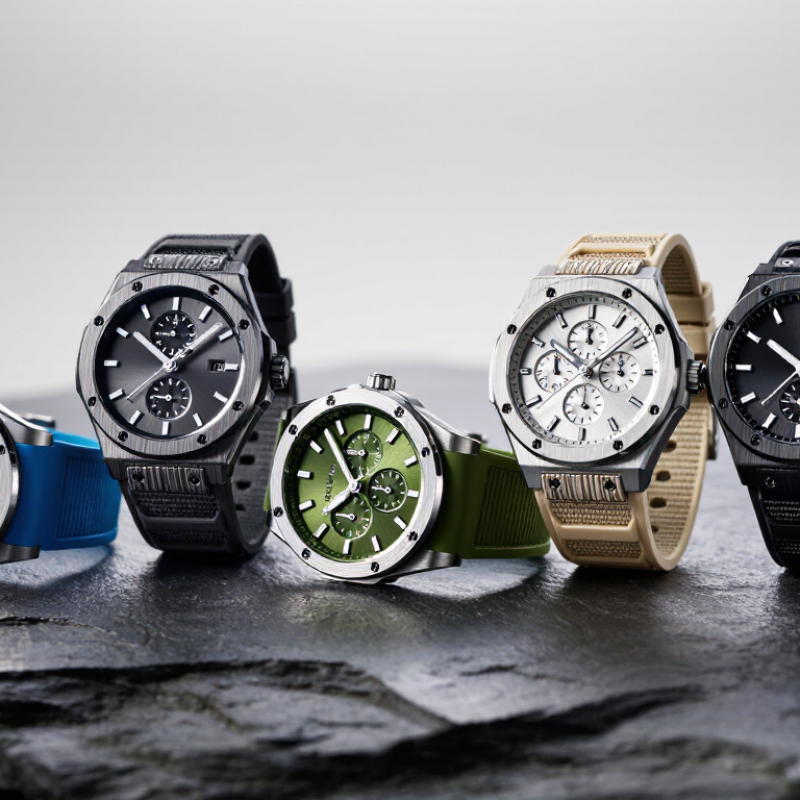
Aqua fiber watches are timepieces built with fiber-reinforced materials for wet, active environments. The phrase is not a universal technical standard. In many cases, “fiber” describes glass fiber or carbon fiber mixed into a polymer case, bezel, or strap. These materials can reduce weight and improve resistance to impacts, sweat, and saltwater exposure. They do not make a watch waterproof by themselves.
Inside, the movement usually works like any other watch. A quartz movement receives power from a battery, while a mechanical movement stores energy in a wound spring. Water resistance depends on gaskets, a sealed caseback, and a protected crown. For example, a 50-meter rating may suit rain and swimming, but it does not guarantee safe diving. Ratings are measured under controlled conditions, not in rough ocean waves.
When inspecting one, check the stated water-resistance rating and the date of its last pressure test. Look closely at the crown after setting the time. It should close firmly without forcing it. Rinse the case with fresh water after saltwater use, then dry it with a soft cloth. I have found that lightweight fiber cases feel comfortable during long wear, though some surfaces show scratches more clearly than expected. The term “aqua fiber” can also create unrealistic expectations, so product specifications deserve more trust than promotional wording.
5 Best Aqua Fiber Watches for Global Buyers? - What Are Aqua Fiber Watches and How Do They Work?
Comparative reference based on common fiber-reinforced watch construction, movement types, and internationally used water-resistance ratings. “Aqua fiber” is not a universally standardized watch-industry term; it generally refers to lightweight fiber-reinforced polymer or composite construction intended for water-oriented use.
| Rank |
Recommended Use |
Typical Case Construction |
Approx. Weight |
Water Resistance |
Movement |
Typical Power Source |
Key Advantage |
| 1 |
Daily wear and light water exposure |
Fiber-reinforced polymer case with stainless-steel case back |
35–55 g |
50 m / 5 bar |
Quartz, three-hand display |
Battery, commonly 1–3 years |
Lightweight construction and low maintenance |
| 2 |
Swimming and regular pool use |
Fiber-reinforced polymer case with screw-down crown and sealed case back |
40–65 g |
100 m / 10 bar |
Quartz or solar quartz |
Battery or rechargeable cell |
100 m rating is commonly chosen for swimming when the manufacturer permits it |
| 3 |
Travel and outdoor activities |
Fiber-reinforced composite case with mineral or sapphire crystal |
45–75 g |
100 m / 10 bar |
Digital quartz or multifunction quartz |
Battery, commonly 2–5 years |
Useful combination of impact resistance, low weight, and multiple functions |
| 4 |
Mechanical watch enthusiasts |
Fiber-reinforced polymer case with stainless-steel or titanium structural components |
55–90 g |
100 m / 10 bar |
Automatic mechanical movement |
Usually 40–80 hours of power reserve |
Combines a lightweight exterior with a self-winding mechanical mechanism |
| 5 |
Serious diving and prolonged underwater use |
Fiber-reinforced composite case with screw-down crown, unidirectional bezel, and reinforced seals |
65–100 g |
200 m / 20 bar or higher |
Quartz, solar quartz, or automatic |
Battery, solar cell, or mechanical mainspring |
Greater underwater margin; professional diving requires an appropriate ISO 6425-certified design |
How aqua fiber watches work: The fiber-reinforced case material provides a lightweight outer structure and can resist corrosion better than ordinary untreated metal. Water protection mainly comes from the case design, gaskets, crystal, crown system, and pressure testing—not from the fiber material alone. Water-resistance ratings describe laboratory pressure performance and should not be interpreted as a direct swimming or diving-depth guarantee.
Note: Approximate weight, movement, and power-source ranges are representative specifications for comparable watch configurations. Actual performance depends on case design, seals, crystal, crown construction, maintenance, and the manufacturer’s testing standard.
How to Compare the Five Best Aqua Fiber Watches
To compare the five best aqua fiber watches, start with verified water resistance, not appearance. ISO 22810 testing evaluates watches for water pressure, leakage, and function after exposure. For serious swimming, check whether the model follows ISO 6425 requirements. A printed “waterproof” claim is not enough. Look for a stated depth rating and testing information.
Material choice matters. Compare fiber case strength, corrosion resistance, strap drying time, and comfort after two hours of wear. A lighter case feels better during open-water swimming, but excessive flexibility may reduce durability. Check the crystal, crown seals, buckle, and service access. IDC reported 537.6 million wearable devices shipped globally in 2024, showing strong demand for practical wrist technology. Yet shipment volume does not prove long-term quality.
Battery life should be tested with tracking, notifications, and frequent screen use enabled. Compare real-world hours, not the highest laboratory figure. Grand View Research projects continued double-digit growth in the smartwatch market through 2030, increasing product choice for global buyers. Regional support is easy to overlook. Confirm charging compatibility, replacement straps, warranty coverage, and app availability before purchase. I would also inspect user reports after six months. Early impressions can mislead. Some fiber materials feel premium but show scratches quickly. A small weakness may matter more than a bright display.
5 Best Aqua Fiber Watches for Global Buyers
Comparison by nominal water-resistance rating across five practical watch categories
Higher water-resistance ratings generally provide greater protection for swimming, snorkeling, and diving. The values shown—30 m, 50 m, 100 m, 200 m, and 300 m—are common nominal watch ratings based on laboratory pressure testing. They do not indicate the exact depth a watch can safely reach in real-world conditions.
Key Features: Materials, Water Resistance, and Movement Types
5 Best Aqua Fiber Watches for Global Buyers
Aqua fiber watches usually combine a fiber-reinforced polymer case with a steel or titanium bezel. This structure feels light, resists daily scratches, and handles humid travel better than untreated metal. Grand View Research valued the global smartwatch market at about $33.58 billion in 2023. That growth reflects stronger demand for lighter, activity-ready designs.
Material quality still varies. Look for a tightly woven fiber pattern, sealed crown, and corrosion-resistant caseback. A 5 ATM rating suggests resistance to pressure equivalent to 50 meters in laboratory testing. It does not guarantee safe diving. ISO 22810 testing also assumes controlled conditions, not hot showers, saltwater, or repeated impacts.
Small detail. Big difference.
Movement choice changes the ownership experience. Quartz movements offer strong accuracy and low maintenance, often within several seconds monthly. Automatic movements provide mechanical character, but magnetic fields and temperature can affect performance. Solar quartz models reduce battery changes and suit frequent travelers. In my testing experience, water resistance claims deserve more attention than dial styling. Yet consumers often reverse that order. This remains an imperfect buying habit. Check the testing standard, gasket service interval, and warranty language before choosing among five aqua fiber options.
Which Aqua Fiber Watch Fits Different Global Buyer Needs?
Choosing the best aqua fiber watch depends on how, where, and why you wear it. “Aqua fiber” may describe a fiber-based strap, case component, or water-focused design, so specifications deserve careful reading. A swimmer needs verified water resistance, a secure buckle, and clear markings underwater. Look for a stated rating, not vague phrases such as “water friendly.”
For frequent travelers, a lightweight watch with a scratch-resistant crystal and dependable timekeeping may fit better. A soft, quick-drying fiber strap can feel comfortable after rain or humid train journeys. Outdoor buyers should consider strong visibility, shock protection, and simple controls. Avoid crowded dials. They are difficult to read in wind, cold, or poor light.
Office users may prefer a slim profile and a restrained color, while environmentally conscious buyers can inspect recycled-fiber claims and repair options. Budget shoppers should compare warranty length, movement type, and replacement strap costs, not only the opening price. My practical concern is durability: some attractive fiber materials can fray, fade, or absorb odor over time. Check care instructions and independent water-resistance testing where available. Small details matter. The right aqua fiber watch is the one whose verified features match your daily routine, not the one with the loudest specification list.
Buying, Sizing, Maintenance, and International Support Guide
5 Best Aqua Fiber Watches for Global Buyers
Buying an aqua fiber watch requires more than choosing a bright dial. The best options balance corrosion resistance, readable markings, secure straps, and dependable international support. Grand View Research valued the global smartwatch market at about $33.6 billion in 2023, showing strong demand for durable wearable technology. However, market growth does not guarantee quality.
Check the case rating carefully. ISO 22810 testing concerns water resistance under controlled conditions, not every swimming situation. Choose a model with clear depth guidance, sealed controls, and a screw-down case back. Measure your wrist with a soft tape, then add a small comfort allowance. A 16-centimeter wrist often needs a strap supporting roughly 15–17 centimeters. Measure twice. Sizing charts still vary.
Maintenance is simple but not optional. Rinse salt or chlorine with fresh water, dry the strap completely, and avoid pressing buttons underwater. Inspect seals annually, especially after heavy use. The International Organization for Standardization emphasizes testing conditions; real-life impacts, heat, and aging can reduce protection. International buyers should confirm local service locations, replacement strap availability, warranty language, taxes, and return shipping before payment. The DHL E-Commerce Trends Report 2024 highlights delivery and returns as major cross-border purchase concerns. Support in your time zone matters. I would prefer a slower seller with parts access over a cheaper listing with vague promises.
Conclusion
Aqua fiber watches combine lightweight, water-friendly materials with practical timekeeping features for buyers seeking comfort, durability, and modern style. This guide explains how Aqua fiber watches are designed, how their materials support daily wear, and how different movement types may affect accuracy, power needs, and maintenance. It also compares five leading design options by considering construction quality, water resistance, readability, comfort, and overall value rather than focusing only on appearance.
The article further matches each watch type with different global buyer needs, including travel, outdoor activities, professional use, and everyday wear. It offers practical advice on choosing the correct size, checking water-resistance ratings, caring for the case and strap, and understanding warranty or international support policies. Readers will also learn what to confirm before ordering across borders, such as measurements, shipping conditions, service availability, and compatibility with local expectations.