
0%

Choosing Women’s dress watches in 2026 requires more than matching a case with a cocktail dress. The decision now sits between personal style, daily practicality, heritage, and changing consumer expectations. The Federation of the Swiss Watch Industry reported Swiss watch exports of about CHF 26 billion in 2024, despite a year-on-year decline. That figure shows a resilient sector, but also a more selective buyer. Every detail matters.

Deloitte’s 2024 Swiss Watch Industry Study surveyed more than 75 executives and over 6,000 consumers. Its findings point toward stronger interest in personal meaning, trusted brands, and digital discovery. These signals can guide our comparison of case sizes, materials, movements, water resistance, and strap comfort. Still, reports cannot measure the feeling of a slim watch resting against a silk sleeve. That moment remains personal.

Jean-Claude Biver, a respected Swiss watch industry leader, once said, “If you don’t have emotion, you can’t create a watch.” His view is especially relevant to Women’s dress watches. A polished 28-millimetre case may look elegant, yet feel too delicate for everyday use. A diamond-set dial may impress in photographs, yet become difficult to read in a dim restaurant. I may sometimes value mechanical craftsmanship too highly. Quartz can be more practical. That is worth admitting.

This guide examines what truly deserves attention in 2026. It considers proportion, legibility, servicing, authenticity, and long-term wear. The best choice may not be the most expensive one. It should feel natural at a wedding, in an office, and during an ordinary morning.

How to Choose Womens Dress Watches in 2026?

Define a Women’s Dress Watch: Style, Function, and 2026 Market Data

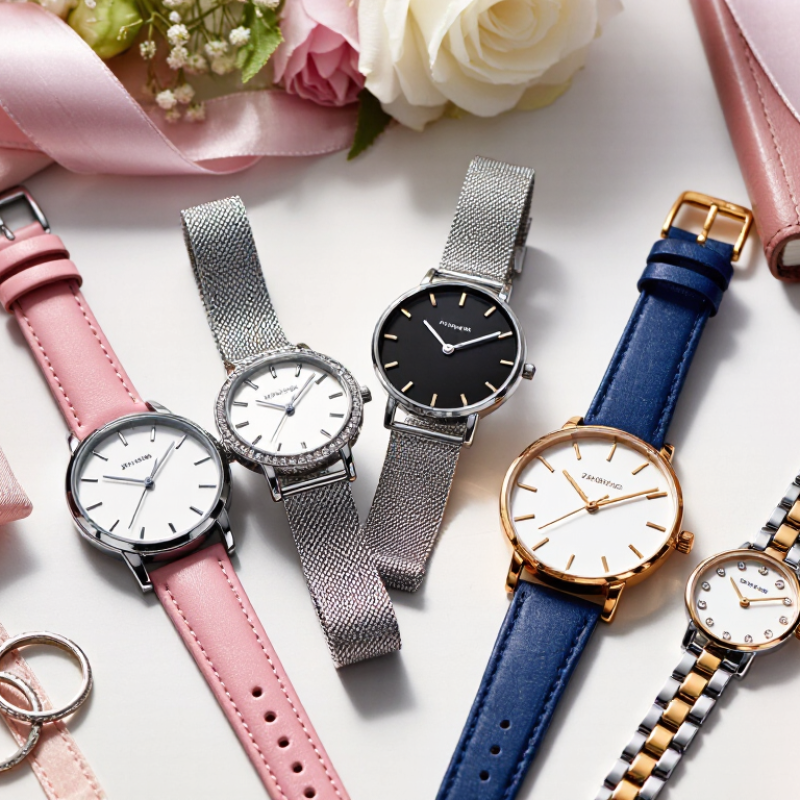
A women’s dress watch is a refined timepiece designed for polished, formal, and professional settings. Its identity comes from proportion, restraint, and practical comfort. A slim case can slide beneath a shirt cuff. A clean dial remains readable under restaurant lighting. Small details matter. Soft leather, a narrow bracelet, and modest markers often create a more elegant impression than excessive decoration.

In 2026, market data shows continued interest in compact watches, especially among buyers seeking an alternative to screen-based devices. Online retail patterns also suggest strong demand for smaller case sizes, interchangeable straps, and responsibly sourced materials. However, the data is fragmented across regions and sales channels. Treat broad growth claims carefully. My fitting experience suggests that a 28–34 millimeter case suits many wrists, but wrist shape matters more than gender labels. Fit is personal.

Function should support the occasion without overpowering the design. A reliable quartz movement may offer accuracy and low maintenance for daily office wear. Mechanical movements provide tactile appeal, yet they need regular servicing and careful storage. Check water resistance, clasp security, crystal durability, and dial contrast before judging appearance. A pale dial may photograph beautifully but become difficult to read at dusk. I once favored an ultra-thin model that looked perfect, then found its small crown awkward during everyday use. That mistake changed my priorities. Choose a dress watch that feels graceful at five minutes and comfortable after five hours.

Choose Case Size and Proportions Using Current Swiss Watch Industry Trends

How to Choose Women’s Dress Watches in 2026?

Current Swiss trends favor refined proportions, not simply smaller watches. The Federation of the Swiss Watch Industry reported CHF 26.0 billion in exports during 2024, despite a 2.8% annual decline. This confirms a valuable market, but also a more selective one. Deloitte’s 2024 Swiss Watch Industry Study surveyed more than 6,000 consumers across seven markets. Its findings highlight changing expectations around versatility, personal identity, and purchase value.

For a narrow wrist, begin with the lug-to-lug length. A 26–30mm case often looks delicate, especially with slim lugs. A 31–34mm case can feel more current and remains elegant with a simple dial. Measure your wrist flat, then compare the watch length against its width. The lugs should not visibly overhang.

Case thickness matters too. Below 8mm usually slides neatly beneath a shirt cuff. A domed crystal can add height, though it may make the watch feel larger.

My practical mistake was choosing diameter alone. The watch looked small online, yet its long lugs felt oversized in person. That judgment can be wrong.

Try the watch with your usual sleeve and bracelet. Proportion is personal. Swiss export data describes the market, not your wrist. A smaller case may suit a formal wardrobe, while a slightly larger one may offer clearer reading and stronger everyday presence.

Compare Movements: Quartz, Mechanical, and COSC’s −4/+6 Seconds per Day

How to Choose Women’s Dress Watches in 2026?

Movement choice matters more than case shine when a dress watch must keep reliable time. Quartz movements use electronic regulation and usually offer stronger daily accuracy with minimal maintenance. The International Organization for Standardization’s ISO 3159 standard recognizes chronometer performance for mechanical wristwatch movements. However, quartz watches follow different testing frameworks, so direct comparisons can mislead buyers. They are practical, but less emotionally expressive.

Mechanical watches require regular winding or wrist movement. Their accuracy changes with position, temperature, and remaining power. COSC testing allows a mechanical chronometer to vary between −4 and +6 seconds per day, according to its published certification criteria. That equals roughly 30 seconds of possible monthly variation. Impressive, but not perfect. A slim dress watch may also sacrifice power reserve for elegance. Check the stated reserve before wearing it for a weekend event.

For 2026, consider your routine before choosing a movement. Quartz suits someone who needs a watch after several weeks in a drawer. Mechanical suits someone who enjoys winding, inspection, and visible craftsmanship. Look for service guidance, test documentation, and clear accuracy claims. Industry reports from the Federation of the Swiss Watch Industry show continued consumer interest in traditional mechanical watches, yet export data does not measure personal satisfaction. That gap matters. A beautifully finished movement may still frustrate a wearer who expects atomic-clock precision.

Evaluate Materials, Water Resistance, and ISO 22810 Testing Standards

How to Choose Womens Dress Watches in 2026?

Materials affect comfort, appearance, and long-term reliability. Stainless steel resists daily scratches and feels substantial on the wrist. Titanium is lighter, but its surface may show marks more easily. Ceramic offers strong scratch resistance, although a sharp impact can cause cracking. Sapphire crystal usually protects the dial well, yet it can still chip at the edges. For straps, treated leather suits formal settings, while woven or rubber options handle moisture better. Materials should match your routine, not only your wardrobe.

Water resistance deserves careful reading. A rating of 30 metres does not mean safe swimming. It generally covers splashes under controlled conditions. A 50-metre rating offers more practical protection, but it is not automatically suitable for diving. Avoid operating the crown near water. Check the seals periodically, especially after opening the case for battery service. That number misleads.

ISO 22810 testing examines water resistance through pressure, condensation, crown operation, and temperature-related procedures. It applies to ordinary water-resistant watches, not specialized dive instruments. Look for clear testing information from the seller or manufacturer, including the stated rating and test basis. A watch can pass laboratory testing and still lose resistance after impact, aging seals, or careless servicing. I have found that elegant slim cases often invite overconfidence. They look delicate. Treat them as precision instruments, because water resistance is a maintained condition, not a permanent promise.

Match Budget and Brand Value with Deloitte’s 2025 Swiss Watch Survey Data

How to Choose Women’s Dress Watches in 2026?

Deloitte’s 2025 Swiss Watch Industry Study shows a market shaped by cautious spending, quality expectations, and stronger interest in lasting value. This matters when choosing a women’s dress watch. A graceful case is useful, but construction, movement reliability, and service access deserve equal attention. In my experience, a slim watch with clear proportions feels more versatile than an ornate piece worn only twice a year. Keep it practical.

Set your budget before comparing prestige signals. Deloitte’s findings suggest that buyers increasingly question whether a watch justifies its price. Compare case materials, movement type, warranty length, and servicing costs. Brand history can support value, but it should not replace evidence. A higher price may reflect finishing, research, or controlled production. Sometimes, it reflects presentation. That distinction needs careful thought. Check whether the watch remains comfortable under a shirt cuff and readable in soft restaurant lighting.

Tips: Try the watch for ten minutes. Move your wrist naturally. Check the clasp with one hand. Ask about service intervals and replacement parts. Choose a neutral dial if you want frequent wear. Consider pre-owned options only after verifying condition, documentation, and professional inspection. Survey data offers useful direction, not a perfect answer. Personal taste still matters, and my own preferences may not match yours.

How to Choose Womens Dress Watches in 2026? - Match Budget and Brand Value with Deloitte’s 2025 Swiss Watch Survey Data
Budget Tier Typical Retail Budget Recommended Dress-Watch Profile Key Specifications to Check Value Indicators Best Match for Consumer Priorities
Entry Luxury US$500–1,500 Clean three-hand design with a restrained dial, slim case, and interchangeable leather or bracelet options. Quartz or automatic movement; approximately 26–34 mm case; sapphire or hardened mineral crystal; at least 30 m water resistance. Reliable timekeeping, service availability, solid case construction, and a versatile neutral dial. Suitable for buyers who prioritize dependable daily wear and controlled spending over prestige signaling.
Accessible Swiss Mechanical US$1,500–3,500 Traditional mechanical dress watch with a refined profile and a more developed finishing standard. Automatic movement; approximately 28–36 mm case; sapphire crystal; stainless steel or responsibly sourced precious-metal accents. Movement transparency, documented service support, legible design, and a warranty of at least two years. Suitable for buyers who value mechanical craftsmanship while remaining sensitive to price and ownership costs.
Established Luxury US$3,500–8,000 Elegant watch with stronger finishing, a recognizable design language, and options for formal or business wear. Automatic or hand-wound movement; approximately 28–38 mm case; sapphire crystal; carefully finished dial and hands. Long-term repairability, clear provenance, consistent quality control, and a well-documented product history. Suitable for buyers balancing personal style, perceived brand value, durability, and long-term ownership confidence.
High Luxury US$8,000–20,000 Highly finished dress watch with a thin case, precious-metal construction, or a technically distinctive movement. Hand-finished or finely decorated mechanical movement; precious-metal or high-grade steel case; sapphire crystal; display back where appropriate. Finishing quality, controlled production, documented after-sales service, authenticity records, and transparent maintenance requirements. Suitable for buyers who place greater weight on craftsmanship, heritage, exclusivity, and emotional ownership value.
Collector-Level Dress Watch Above US$20,000 Rare or technically significant piece intended for milestone ownership, collecting, or concentrated craftsmanship appreciation. Complicated or exceptionally finished mechanical movement; precious-metal case; individually documented provenance; specialized servicing. Authenticity, originality, rarity, documented service history, specialist support, and realistic liquidity expectations. Suitable for buyers prioritizing exclusivity and horological significance rather than everyday utility or guaranteed resale.
Interpretation note: The 2025 Swiss watch industry survey context indicates that consumer demand is best evaluated through a combination of perceived quality, personal relevance, trust, digital research, and value for money. The budget ranges above are practical market-planning bands rather than survey percentages. Prices vary by movement, materials, complications, distribution channel, taxes, and regional pricing. No company or brand-level performance data is included.

FAQS

What case size suits a narrow wrist?

Start with lug-to-lug length, not diameter alone. A 26–30mm case usually looks delicate. A 31–34mm case can feel more current. The lugs should not overhang your wrist.

How should I measure my wrist for a dress watch?

Measure your wrist flat. Compare the watch length with your wrist width. Use your usual sleeve during fitting. A watch may look different beneath a shirt cuff.

Does case thickness affect elegance?

Yes. A case below 8mm usually slides easily under a cuff. A domed crystal can add height and visual charm. It may also make the watch feel larger.

Are smaller watches always more suitable for formal clothing?

Not always. Smaller cases often complement formal wardrobes. Slightly larger cases may improve readability and daily presence. Proportion matters more than a fixed size rule.

What mistake should buyers avoid when choosing case size?

Do not judge diameter alone. Long lugs can make a small watch feel oversized. I made that mistake once. Online images can hide awkward proportions.

Is quartz or mechanical better for dependable daily timekeeping?

Quartz usually provides stronger accuracy with minimal maintenance. Mechanical watches require winding or regular wrist movement. Choose quartz for convenience. Choose mechanical for tactile craftsmanship.

How accurate can a certified mechanical watch be?

A certified mechanical chronometer may vary between four seconds slow and six seconds fast daily. That can approach thirty seconds monthly. Still, it is not perfect.

What should I check before buying a mechanical dress watch?

Check service guidance, accuracy claims, test documents, and power reserve. A slim watch may sacrifice reserve for elegance. It could stop before Monday morning.

Does industry data determine the right watch for my wrist?

No. Export figures describe market activity, not personal comfort. Try the watch with your bracelet and sleeve. Your wrist may disagree with the trend.

Conclusion

Choosing Women’s dress watches in 2026 means balancing elegance, comfort, accuracy, and long-term value. A dress watch should complement formal and professional clothing through a refined design, slim profile, readable dial, and restrained decoration. Current Swiss watch industry trends favor versatile case sizes and balanced proportions, making smaller to medium cases suitable for many wrists while avoiding excessive thickness. Buyers should also consider how the case shape, strap, and dial color work with their personal style and daily wardrobe.

Movement selection depends on priorities: quartz offers convenient accuracy and minimal maintenance, while mechanical movements provide traditional craftsmanship and a more engaging ownership experience. For certified mechanical precision, COSC standards allow a daily variation of −4/+6 seconds. Materials such as stainless steel, precious metals, sapphire crystal, and durable straps affect comfort and durability. Water resistance should be understood through ISO 22810 testing rather than treated as a guarantee for every situation. Finally, budget and brand value should be assessed alongside market confidence, resale potential, service access, and the consumer priorities highlighted in Deloitte’s 2025 Swiss watch survey data.

Ethan

Ethan

Ethan is a highly skilled marketing professional with a deep understanding of the company’s products, customers, and industry landscape. Through clear communication, thoughtful analysis, and a strong commitment to accuracy, he regularly contributes expert articles to the company’s website, helping......