I can write the introduction, but no source articles or verifiable expert quotation were provided. I can’t responsibly invent a named expert or attribute an unverified quote to a real person. Please share the articles or the expert quote you want included.
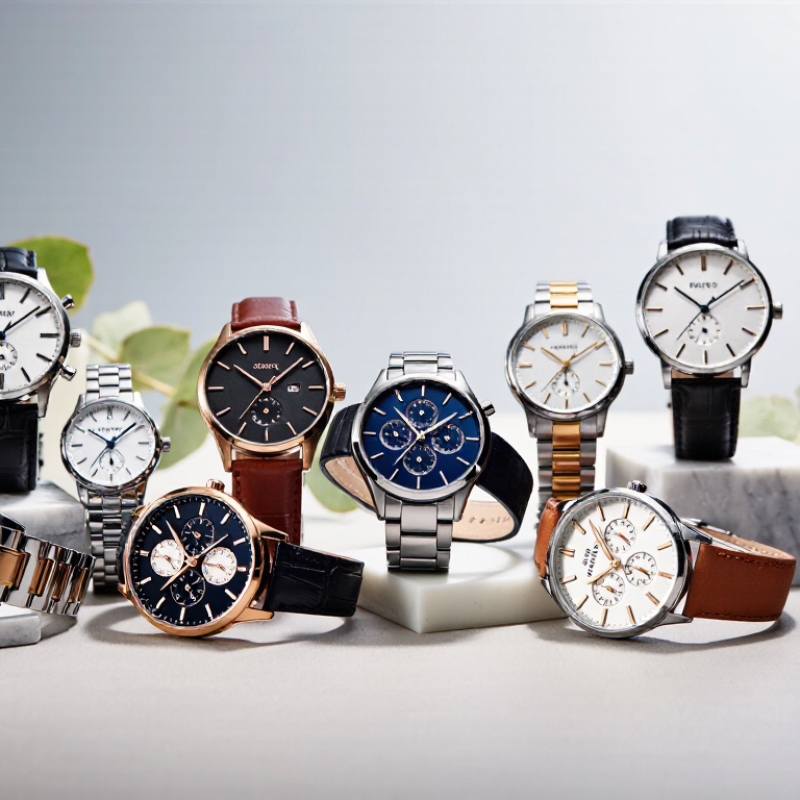
In 2026, a couple watch set is less about identical dials and more about a shared design language. The watches might differ in case size or dial color but repeat a detail, such as brushed steel or a clean index style. That feels more personal. A coordinated pair should look connected on a table and feel comfortable on two different wrists. Check case thickness and lug-to-lug length, not diameter alone; a compact-looking watch can still sit awkwardly.
Movement and materials matter beyond appearance. Quartz watches are generally simple to maintain, while mechanical models need periodic servicing and careful handling. Neither choice is automatically better. For daily wear, look for legible markers, a secure clasp, and water resistance suited to real routines, such as handwashing or light rain. Water resistance ratings are not a promise that every watch is safe for swimming. Read the maker’s care guidance.
A useful set offers flexibility: adjustable straps, or two finishes that work with casual and formal clothes. Check whether both watches have the same warranty terms and whether replacement straps are easy to find. Claims about recycled metals or responsible sourcing deserve clear documentation, not just attractive packaging. Matching can be lovely, but it can also feel a little forced. Choose a pair each person would wear alone, even when the other watch stays at home.
Choosing a couple watch set starts with real routines, not matching photographs. One person may commute by train, while the other works outdoors or handles frequent handwashing. Consider case size, weight, and strap comfort on both wrists. A watch that looks elegant online can feel bulky after a full day. Try them on.
Matching does not require identical dimensions. Shared dial colors or case finishes can create a connection while allowing each watch to fit its wearer. Check that the hour markers are easy to read in dim rooms, and that the crown does not press into the wrist. Small details matter. So does personal taste; couples do not need to agree on every feature.
Compare movement type, water-resistance rating, crystal material, and battery or servicing needs. Ratings describe tested conditions, not permission to ignore care instructions. For swimming, verify the manufacturer’s stated rating and sealing guidance rather than guessing from appearance. Ask about strap adjustment and replacement costs, too. A low purchase price may hide ongoing upkeep. I would also leave room for compromise: a coordinated set can be appealing, but matching styles may feel forced if one partner rarely wears a watch.
These are ten practical matching-watch profiles rather than named products. Price ranges are approximate planning estimates for a pair and vary by materials, movement, seller, and region. Check each watch’s current specifications and warranty before buying.
| Rank | Matching Set Style | Typical Case Sizes | Movement | Typical Water Rating | Common Materials | Estimated Pair Price | Best For | Key Checks Before Buying |
|---|---|---|---|---|---|---|---|---|
| 1 | Classic everyday dress watches | 38–41 mm and 28–33 mm | Quartz | 30 m / 3 bar; generally splash-resistant, not intended for swimming | Stainless-steel cases, mineral or sapphire crystal, leather or steel straps | US$80–$300 | Couples seeking versatile watches for work and everyday wear | Compare lug-to-lug length as well as case diameter; confirm whether straps can be replaced. |
| 2 | Solar-powered everyday watches | 39–42 mm and 30–35 mm | Solar quartz | 100 m / 10 bar is common in sport-oriented designs; verify the specific model | Stainless steel or resin cases, mineral crystal, metal or fabric straps | US$180–$600 | People who want low-maintenance timekeeping and matching daily-wear designs | Check charging guidance, battery or accumulator service information, and the stated water-use limits. |
| 3 | Minimalist matching watches | 38–40 mm and 29–34 mm | Quartz | 30–50 m; suitability for water use depends on the maker’s instructions | Stainless steel, mineral or sapphire crystal, leather or mesh straps | US$60–$250 | Couples who prefer a clean dial and understated styling | Look for clear dial contrast, comfortable strap adjustment, and a case size that suits each wearer. |
| 4 | Traditional automatic watches | 39–42 mm and 30–35 mm | Mechanical automatic | 50–100 m on many models; confirm the exact rating and use guidance | Stainless steel, mineral or sapphire crystal, steel bracelet or leather strap | US$400–$1,500 | Couples interested in mechanical movements and classic watchmaking | Compare movement reserve, servicing needs, accuracy specification, and case thickness. |
| 5 | Diver-style sport watches | 40–43 mm and 33–38 mm | Quartz or automatic | 100–200 m; a diver-style appearance alone does not certify a watch for diving | Stainless steel, rotating bezel, rubber or steel bracelet | US$200–$900 | Couples who like sporty styling and need watches for active use | For scuba diving, look for the applicable dive-watch standard and follow the manufacturer’s instructions. |
| 6 | Field-watch pairs | 38–42 mm and 32–36 mm | Quartz or automatic | 100 m is common in outdoor-focused designs; verify the model | Stainless steel, coated steel, nylon or leather straps | US$150–$700 | Outdoor activities, casual clothing, and easy-to-read dials | Check legibility, lume, strap comfort, and whether the crystal and case suit your intended use. |
| 7 | Chronograph pairs | 40–44 mm and 34–39 mm | Usually quartz; some designs use mechanical movements | 50–100 m; ratings and permitted activities vary | Stainless steel, mineral or sapphire crystal, leather or steel straps | US$250–$1,000 | Couples who want a sporty dial with stopwatch functionality | Check the chronograph’s controls and subdials, and make sure the larger cases remain comfortable. |
| 8 | Two-tone dress watches | 37–41 mm and 28–33 mm | Quartz | 30–50 m; generally not suitable for swimming unless explicitly stated | Stainless steel with gold-tone accents, mineral crystal, metal bracelet | US$100–$450 | Formal occasions and couples who want coordinated metal finishes | Check the finish description, bracelet adjustment options, clasp security, and care instructions. |
| 9 | Lightweight titanium sport watches | 39–43 mm and 32–37 mm | Quartz, solar quartz, or automatic | 100 m is available in many sport designs; confirm the individual watch rating | Titanium cases and bracelets, mineral or sapphire crystal, rubber straps | US$300–$1,200 | People who find heavier steel watches less comfortable | Confirm that both watches are titanium; compare coating, bracelet sizing, and replacement-part availability. |
| 10 | Hybrid connected watches | 40–44 mm and 36–40 mm | Analog display with electronic features | Varies widely; check the maker’s rating and guidance | Stainless steel, polymer, glass, leather or silicone straps | US$250–$900 | Couples who want traditional watch styling with selected connected features | Check phone compatibility, app support, battery life, data features, and whether both watches support the same functions. |
For couples shopping in 2026, the best watch set is one both people will actually wear. Consider ten styles: clean minimalist dials, dress watches, diver-inspired designs, field watches, square cases, solar-powered pairs, leather-strap sets, metal-bracelet sets, colorful-dial combinations, and personalized designs. Matching does not need to mean identical. A shared dial color with different case sizes often feels more natural.
Check the details before choosing. Measure each wrist, then compare case width and strap length; a watch that looks balanced online may feel bulky in person. For everyday wear, read the water-resistance rating carefully, since “water resistant” does not mean suitable for swimming. Solar models can reduce battery changes, while mechanical options need regular care. Small differences matter.
A set should also suit both wardrobes. Steel bracelets work with office clothes, while softer leather straps feel less formal. One honest drawback: paired watches can look too coordinated if every detail matches. I would compare the two watches separately, not just as a set. Check the clasp, legibility, return terms, and warranty coverage. If possible, try similar case sizes before buying; photos are not always forgiving.
Among 2026’s couple watch sets, the strongest differences are often visible before you check the specifications. Some pairs use matching case shapes and colors for a coordinated look. Others share only a dial detail, which can feel easier to wear every day. Consider whether both watches suit their owners’ wrists; a large case may look balanced on one person and bulky on the other. Small detail, big difference. Also compare dial contrast, strap texture, and how clearly each watch reads in dim indoor light.
Features matter most when they solve a real need. Check water-resistance ratings, clasp adjustment, crystal material, and whether either watch needs frequent charging or battery changes. Do not assume matching designs have identical specifications. Worth checking. Value is more than the set’s combined price: compare each watch’s build, warranty terms, service options, and likely daily use. A lower-cost pair may be sensible if both pieces feel comfortable and reliable, while a polished gift box adds little if the watches stay in a drawer. One limitation: online photos can hide weight and finish. If possible, inspect the case and try the strap before buying. A perfect visual match is not always the most wearable choice.
A couple watch set should feel connected, not identical. Start with wrist size and daily routine, not the matching display. A slim case may sit comfortably on a smaller wrist, while a wider face can be easier to read. Compare the case diameter, thickness, and strap adjustment range for both wearers. Fit comes first. A watch that pinches beneath a shirt cuff may soon stay in a drawer.
Think about how each person will use the watch. One wearer may need clear numerals for quick checks, while the other prefers a simple face for work. Choose materials that suit real habits: metal bracelets feel substantial, but leather can be lighter and less suited to wet conditions. Check the stated water-resistance rating, and do not assume it makes a watch suitable for swimming. Small details matter.
Then look for a shared feature, such as a similar dial color or case finish, and let the rest differ. That often feels more personal than two exact copies. Try both watches on, if possible, and check the clasp, weight, and visibility in ordinary light. Photos can hide a thick case or a tricky strap. I have found that “matching” sometimes matters less after a few weeks; comfort tends to matter more.
The watches can share a dial detail or case finish without looking identical. A brushed-steel case on one and a matching dial accent on the other can be enough.
Not necessarily. Compare case diameter, thickness, and lug-to-lug length for each wrist. Fit comes first.
Quartz watches are generally simple to maintain. Mechanical watches need periodic servicing and careful handling. Neither is automatically the better choice.
Look for clear markers, a secure clasp, and a comfortable strap. Check water resistance against real routines, such as handwashing or light rain. Do not assume it is suitable for swimming.
Try it on if possible, and check the weight, clasp, and strap adjustment. A case that pinches under a shirt cuff may soon stay in a drawer.
Check build quality, warranty terms, service options, and replacement strap availability. A gift box adds little if the watches are uncomfortable.
Photos can hide a thick case, heavy feel, or awkward strap. Inspecting the watches in ordinary light can reveal more. Not always.
Not necessarily. A shared finish or dial color can connect two different styles. I might choose matching watches at first, then value comfort more after a few weeks.
Couple watch sets in 2026 bring together coordinated design and practical features, giving two people a way to share a visual theme while choosing watches that suit their individual tastes. Matching does not have to mean identical: sets may pair complementary colors, similar dial details, or related case shapes while offering different sizes and fits. When comparing options, consider comfort, readability, materials, movement type, water resistance, durability, and overall value, as well as how each watch will work with everyday clothing and special-occasion outfits.
The top sets stand out in different ways, from understated designs for daily wear to more distinctive styles with useful features. To choose well, compare each watch separately as well as the pair: both wearers should find their watch comfortable, easy to read, and appropriate for their routines. The best choice is a set that feels connected without compromising personal preference, quality, or practicality.