Direct Factory OEM/ODM Solutions for Global Watch Brands, Wholesalers, and Corporate Importers
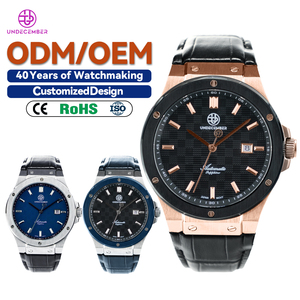
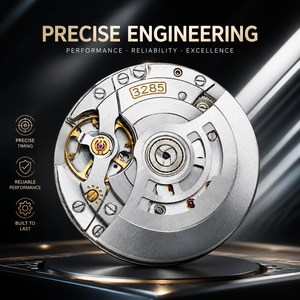
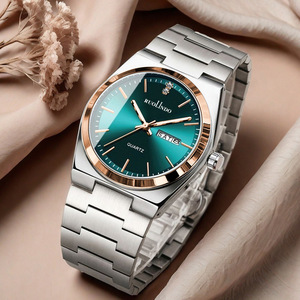
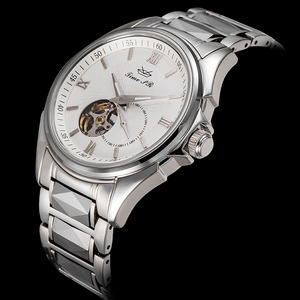
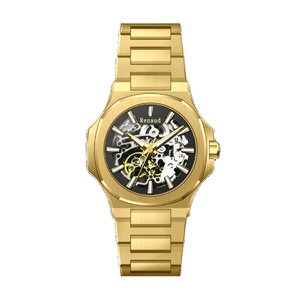
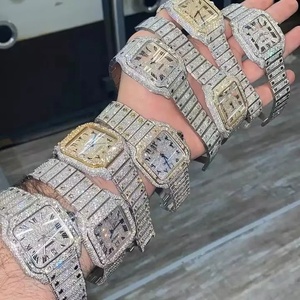
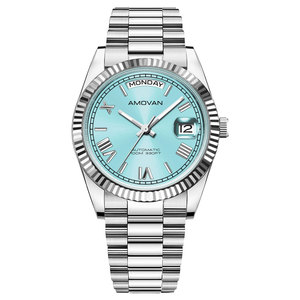
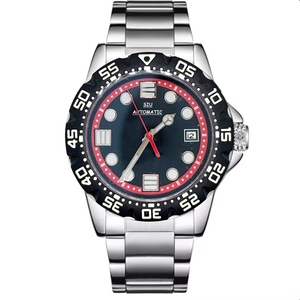
In the modern horological manufacturing sector, importing stainless steel timepieces into key international markets—most notably the European Union—demands rigorous compliance with health, safety, environmental, and mechanical integrity standards. As a premier manufacturer and global supplier, our industrial roots trace back to 1966 when the PA Group commenced precision machining of mechanical watch components using Swiss Petermann lathes. Over six decades of engineering evolution, our manufacturing paradigm has transitioned from pioneer mechanical component fabrication to high-volume quartz movement production in the late 1980s, culminating in the launch of guaranteed waterproof timepieces in 1996.
Today, sourcing CE Certified Steel Watches requires brand owners, importers, and procurement directorates to look beyond surface aesthetics. A complete understanding of steel metallurgy (316L vs. 904L), electroplating durability (PVD/DLC), movement accuracy calibration, and EU regulatory compliance is critical to securing long-term brand equity and mitigating risk in high-volume supply chains.
Unlike basic electrical consumer goods, a wristwatch bearing a true CE mark intended for the EU market must comply with a combination of structural, metallurgical, and environmental directives. These include REACH Annex XVII (nickel release rate < 0.5 µg/cm²/week under EN 1811:2011), RoHS Directive 2011/65/EU (restriction of hazardous substances in components), and, for quartz or smart-hybrid models, EMC Directive 2014/30/EU for electromagnetic compatibility.
The core structural integrity of an industrial-grade steel timepiece relies entirely on its alloy chemistry. B2B buyers must specify the appropriate steel grade based on their target market positioning:
| Metallurgical Property | 316L Stainless Steel (Standard Executive) | 904L Stainless Steel (Ultra-Luxury Sourcing) |
|---|---|---|
| Chromium (Cr) Content | 16.0 - 18.0 % | 19.0 - 23.0 % |
| Nickel (Ni) Content | 10.0 - 14.0 % | 23.0 - 28.0 % |
| Molybdenum (Mo) Content | 2.0 - 3.0 % | 4.0 - 5.0 % (High Pitting Resistance) |
| Copper (Cu) Addition | None | 1.0 - 2.0 % (Enhanced Acid Resistance) |
| Corrosion Resistance (PREN) | PREN ~ 23 - 25 | PREN ~ 34 - 38 (Extreme Marine Suitability) |
| Luster & Polishability | High metallic shine, standard satin brush | Warm, deep luster; highly receptive to mirror finish |
While 316L stainless steel remains the gold standard for luxury commercial watches due to its superb strength-to-weight ratio, non-magnetic qualities, and cost efficiency, 904L steel provides exceptional resistance to harsh chemical environments, sulfur oxides, and ocean water salt stress. Our manufacturing facilities are equipped with specialized diamond tooling and heavy hydraulic stamping presses capable of processing both alloy categories under strict ISO quality controls.
As the international horological market shifts toward sustainable manufacturing, supply chain transparency, and advanced functional materials, procurement managers must align with factories driving innovation. Below are key technical trends shaping the wholesale export of steel timepieces over the next decade:
Driven by European sustainability directives, global buyers are increasingly requesting 100% recycled 316L stainless steel cases. Our production lines now support certified circular steel sourcing, reducing carbon footprint by up to 60% during forging without compromising structural density or tensile strength.
Traditional electroplating is rapidly being phased out due to environmental regulations and poor abrasion resistance. Vacuum-deposited PVD (Rose Gold, Yellow Gold, Gunmetal) and Diamond-Like Carbon (DLC) treatments provide surface hardness reaching 2,000–3,000 Vickers, preventing wear, discoloration, and chemical degradation.
Following our benchmark standard set in 1996, modern waterproof steel watches undergo a two-tier testing protocol: dry vacuum chamber air-leak checking to verify gasket seating, followed by immersion hydrostatic pressure testing under 5ATM to 20ATM real-world fluid force.
Unlike trading intermediaries that aggregate components from fragmented third-party workshops, a vertically integrated manufacturing house manages case machining, crown fitting, movement mounting, gasket lubrication, dial printing, and final quality control within a single quality management ecosystem. This ensures zero variance between prototype approvals and mass-production bulk shipments.
Backed by over six decades of horological heritage, our production infrastructure delivers reliable OEM and ODM solutions tailored to global distributors, microbrands, and retail chains.
Evolving from Swiss lathe precision engineering, our automated CNC turning centers maintain case tolerances within ±0.005mm, guaranteeing perfect movement alignment and crown seal engagement.
Every export consignment is backed by full laboratory test reports for CE marking, REACH Nickel Release EN 1811, RoHS lead-free solder integrity, and ISO 22810 water resistance standards.
From custom 3D dial indexing, skeleton movement customization, and sapphire crystal anti-reflective coatings to custom-branded steel deployant buckles, we bring complex horological designs to market seamlessly.