High-precision OEM/ODM mechanical watch references engineered for global brand owners, importers, and distributor networks.
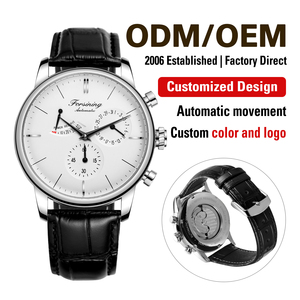
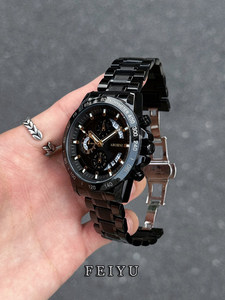
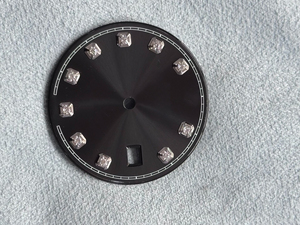
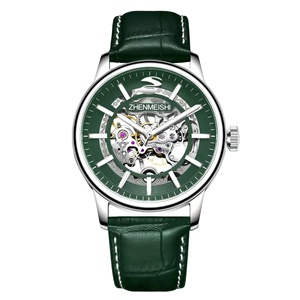
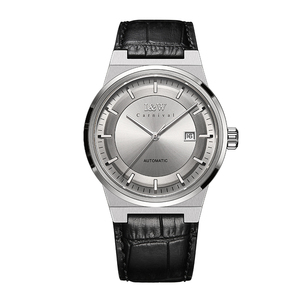
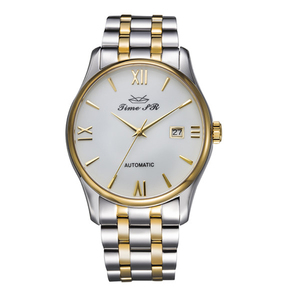
The global watch procurement landscape has undergone a structural shift. Overseas buyers, micro-brands, and boutique watch labels no longer seek simple assembly plants; they require vertically integrated watch houses capable of offering strict horological quality assurance, in-house movement regulation, advanced material sintering, and rigorous hydrostatic verification.
Rooted in a manufacturing tradition dating back to 1966, our parent manufacturing infrastructure began by machining intricate mechanical watch spare parts on high-precision Petermann Swiss lathes. Over six decades of industrial evolution, this heritage expanded into complete mechanical movement assembly through Swiss technical collaborations, transitioning into large-scale quartz production in the late 1980s, and establishing guaranteed waterproof sports timepieces by 1996.
Unlike standard trading intermediaries or superficial assembly shops, an enterprise-grade OEM mechanical watch manufacturer manages the complete production lifecycle within controlled environments:
Anticipating shift in global buyer demand, technical movement evolution, and supply chain customization dynamics.
Global e-commerce and crowdfunding platforms have birthed hundreds of independent micro-brands. The market is shifting from rigid 2,000-piece orders to flexible OEM/ODM batch manufacturing (300-500 pieces per reference) with customized dials, rotors, and packaging.
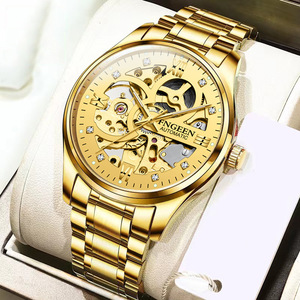
Modern buyers demand visual horological appreciation. Double-sided hollow skeleton dials, carved mainplates, exposed balance wheels, and sapphire exhibition backs allow wearers to observe gear train interplay and self-winding rotor dynamics.
Material science is defining competitive differentiation. Sintered zirconium oxide (ZrO2) ceramic bezels, scratch-resistant sapphire crystals with anti-reflective (AR) inner coatings, and hypoallergenic 316L/904L steel are becoming baseline specifications for wholesale procurement.
Understanding movement architectures, power reserve optimization, and quality control protocols.
The mechanical watch industry in China has evolved from basic mass-market manufacturing into high-precision movement innovation. Today's global buyers demand a thorough understanding of mechanical movements, escapement balance, and material durability before finalizing bulk supply contracts.
Transitioning from standard 21,600 vph (3Hz) movements to 28,800 vph (4Hz) architectures delivers smoother sweeping second-hand motion and enhanced resistance against wrist shocks, ensuring consistent timing under active daily wear.
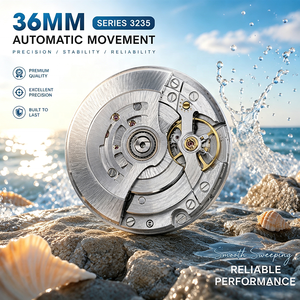
Leveraging optimized mainspring barrels and gear train teeth friction reduction to extend power reserves from conventional 38-42 hours up to 70 hours (such as modern Calibre 3235 clone specs), allowing weekend wearability without manual winding.
Integration of anti-magnetic hairsprings and nickel-phosphorus escapements shields automatic movements from modern electronic magnetic fields (smartphones, laptops, magnetic clasps) that cause timing drift.
When selecting a mechanical watch supplier, wholesale buyers must evaluate four key movement metrics to ensure end-consumer satisfaction and minimize aftermarket return rates:
Addressing key technical, logistical, and customization inquiries for global watch importers and brand managers.