Enterprise Knowledge Base
Frequently Asked Questions by Global Sourcing Managers
1. What are the key technical parameters when evaluating HD display smartwatches for wholesale procurement?
When procuring HD display smartwatches at scale, commercial buyers must evaluate six critical engineering criteria beyond surface aesthetic appeal:
a) Pixel Density & Panel Architecture: Verify that display specs state true screen resolution (e.g., 466×466 pixels on a 1.43" panel yields ~326 PPI). Panels below 300 PPI will show pixelation on detailed UI faces.
b) Optical Lamination Quality: Inquire whether the factory uses OCA (Optically Clear Adhesive) or LOCA bonding. Unbonded displays with internal air gaps suffer high solar reflection, dust ingress, and reduced touch accuracy under humid conditions.
c) Display Brightness (Nits Rating): Outdoor usability requires a minimum of 600 Nits for IPS LCDs and 800 to 1,000+ Nits for AMOLED displays. Ensure display controllers support auto-dimming ambient light sensors to preserve battery life.
d) Waterproof Mechanical Construction: Look for double-gasket crown stems, hydrophobic membrane covers over acoustic speaker ports, and structural case back compression testing. True watch-grade IP68 or 5ATM ratings require dual-stage testing (vacuum + wet pressure).
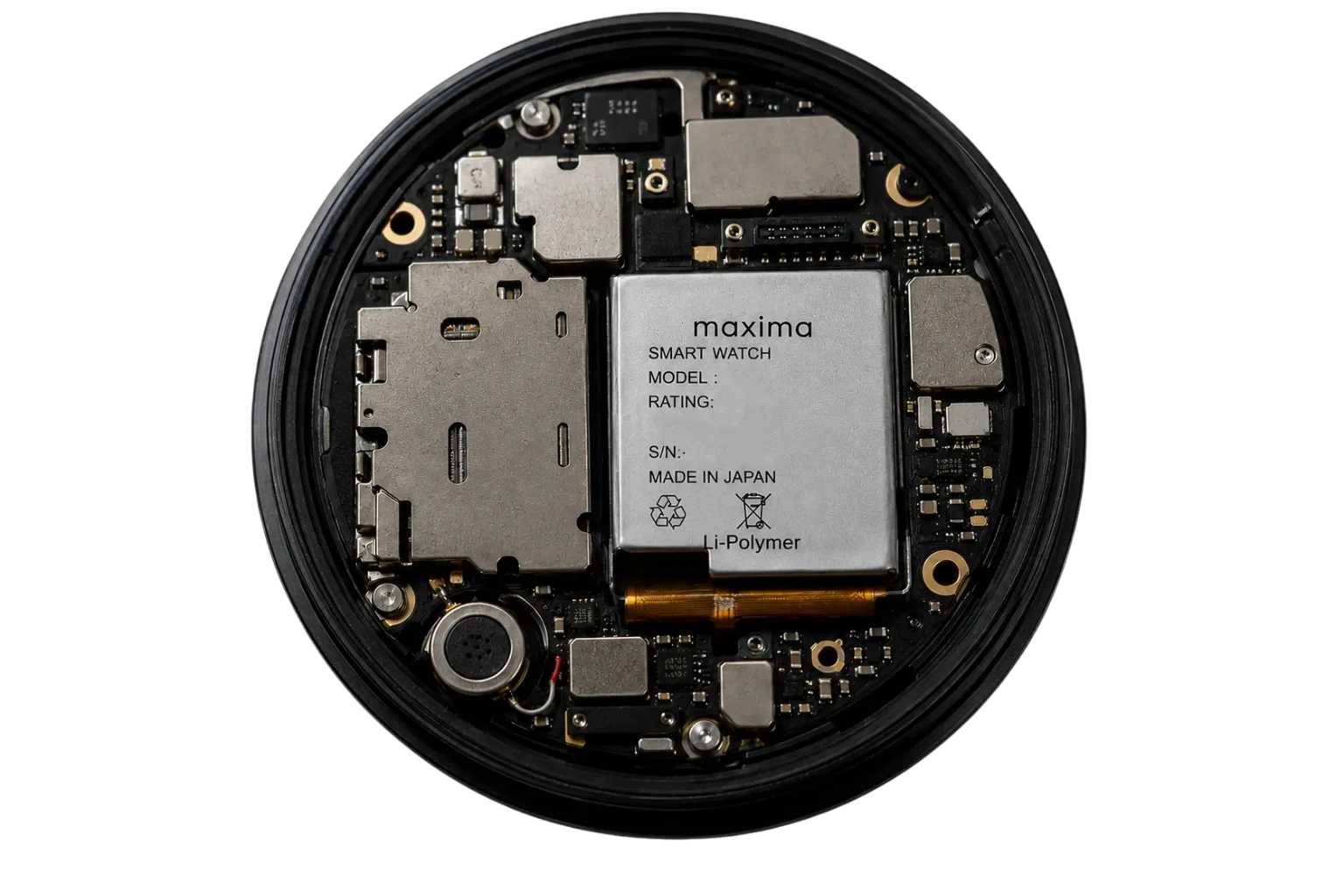
e) Power Management & Battery Chemistry: Confirm battery capacity (mAh) and energy density. HD screens demand optimized display driver ICs (such as dual-mode Bluetooth MCUs) to achieve 7–10 days of real-world battery life.
f) Firmware Stability & Localization: Ensure the factory provides multi-language font libraries, stable OTA (Over-The-Air) update infrastructure, and custom app integration capabilities.
2. What is the difference between HD AMOLED and HD TFT/IPS displays in smartwatches?
The primary differences center on power consumption, contrast ratio, visual depth, and unit manufacturing cost:
AMOLED (Active-Matrix Organic Light-Emitting Diode): Features self-emissive pixels that illuminate independently. When displaying black colors, pixels turn off completely, achieving infinite contrast ratio, deep true blacks, and 100% DCI-P3 color gamut. AMOLED panels allow energy-efficient Always-On Displays (AOD) because only active clock hands draw power. However, component costs are higher.
IPS/TFT HD Display: Utilizes a continuous LED backlight passing through liquid crystal layers and color filters. Modern HD IPS panels reach high brightness (600–800 Nits) and wide viewing angles at a lower price point, making them ideal for budget-conscious volume commercial distribution. However, displaying dark themes consumes uniform backlight power, and black levels appear deep grey rather than absolute black.
3. Why is Maxima's watch manufacturing background (since 1966) significant for electronic smartwatch buyers?
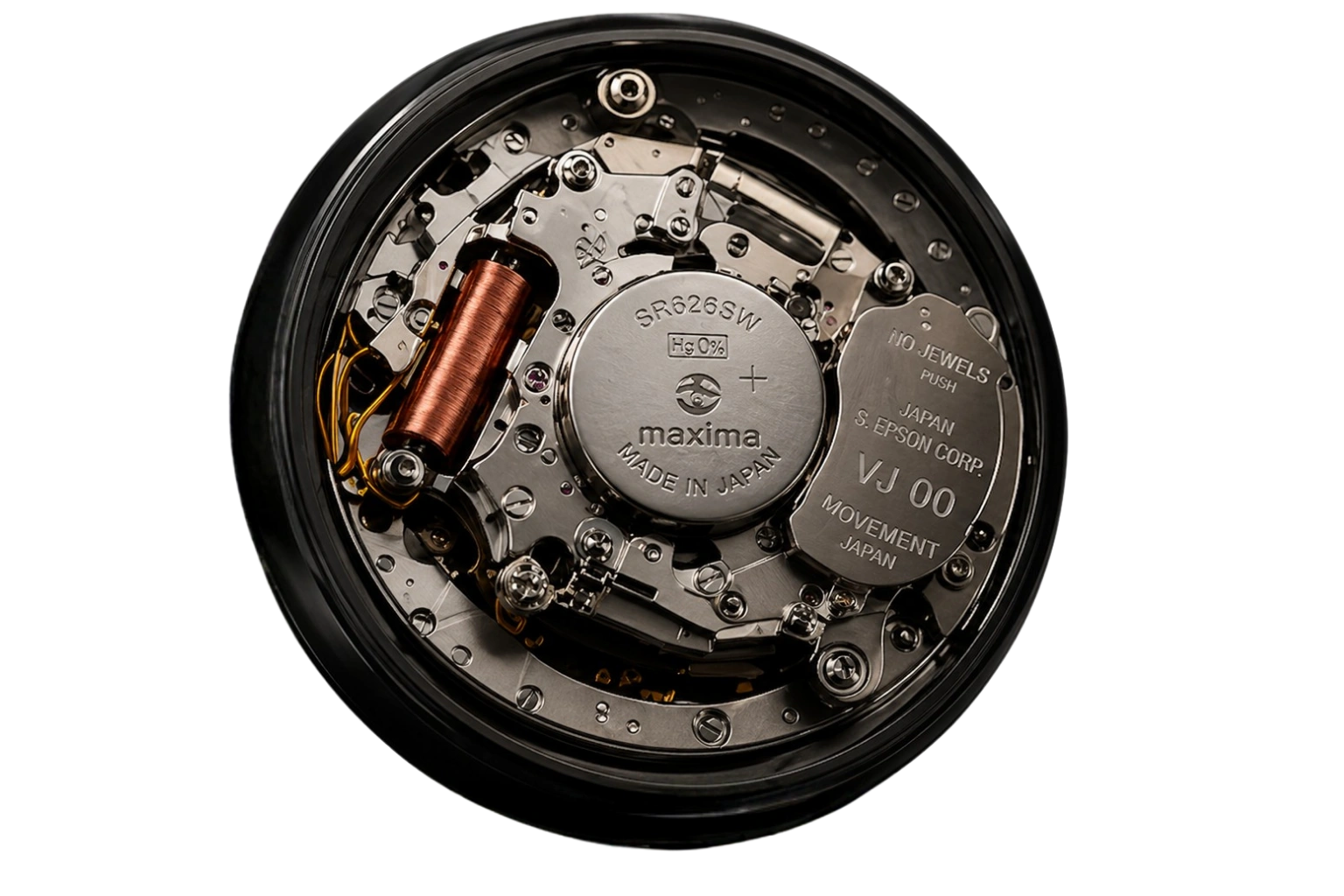
Electronic gadget assemblers often struggle with long-term mechanical reliability because consumer electronics factories frequently lack traditional horological engineering experience. Maxima belongs to the PA Group, which began in 1966 by machining precision mechanical watch spare parts on Swiss Petermann lathes. Over decades, our engineering evolved through complete mechanical movement production, Swiss technical collaborations, quartz movement manufacturing in the 1980s, and launching guaranteed waterproof timepieces in 1996.
This legacy means that every Maxima HD display smartwatch is built with horological housing standards: precision-machined 316L steel or sintered ceramic bezels, standardized gasket tolerances, anti-scratch sapphire or hardened glass coatings, and strict multi-point quality control. The result is significantly lower return rates (RMA) for distributors and superior long-term water resistance under daily wear.
4. What options exist for OEM/ODM brand customization, packaging, and firmware customization?
Maxima provides comprehensive turnkey OEM and ODM development services for regional brand owners, corporate gift suppliers, and electronics distributors:
• Hardware Customization: Custom physical case finishes (PVD vacuum plating in rose gold, matte black, brushed steel, or high-gloss ceramic), custom silicone/leather/mesh watch straps, laser-engraved brand logos on case backs and buckles.
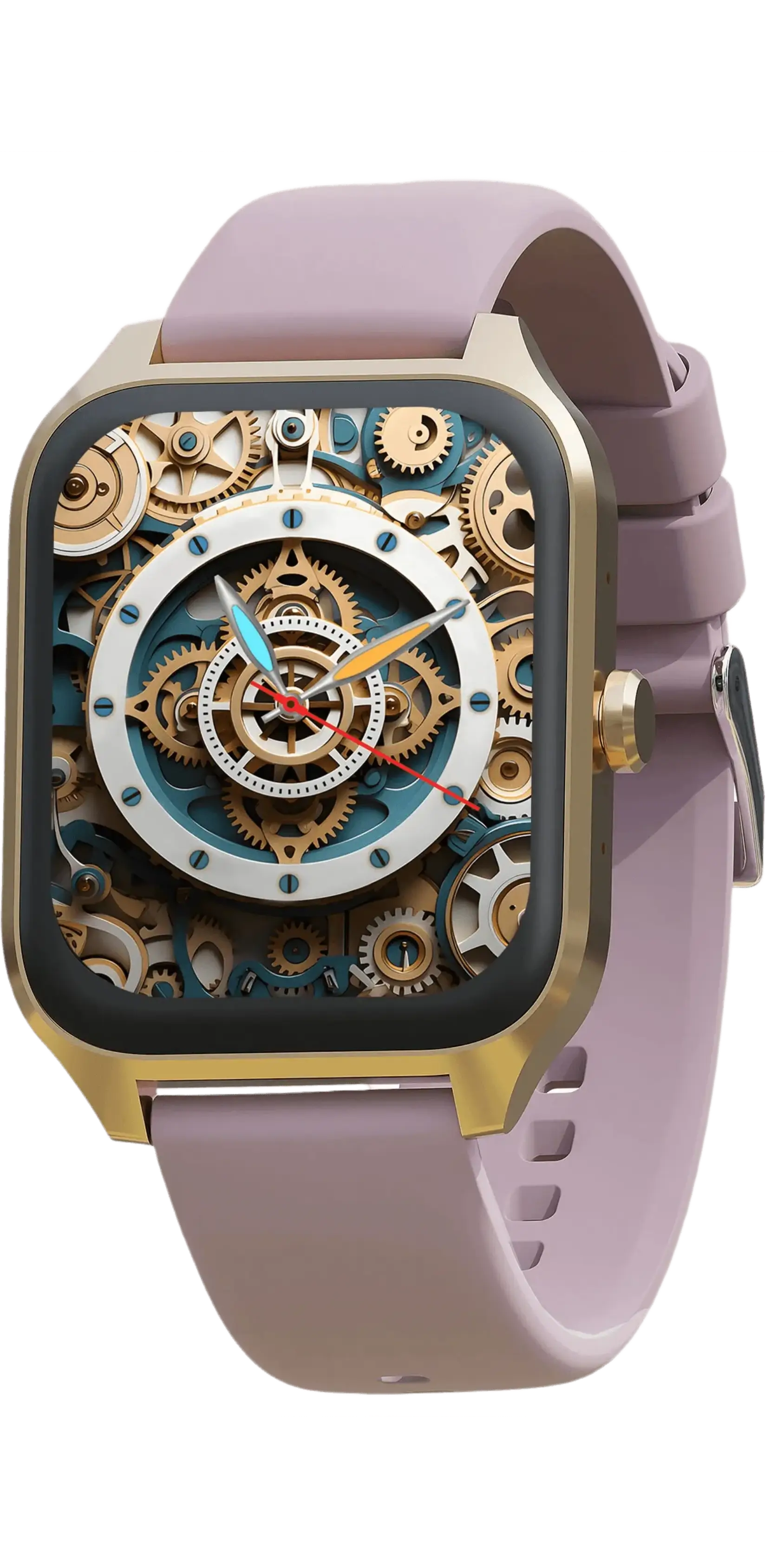
• Firmware & Software Localization: Customized boot animation screens, pre-installed branded watch faces utilizing high-resolution assets optimized for HD displays, multi-language user interface translation, and custom companion mobile application branding (iOS & Android).
• Packaging & Retail Presentation: Custom rigid gift boxes, localized quick-start instruction manuals, eco-friendly retail packaging, and custom barcodes/serial number tracking systems.
5. How are high-resolution screens engineered to prevent rapid battery depletion?
High-definition displays contain significantly more sub-pixels than standard screens, requiring more energy to drive graphics rendering and backlight luminance. To maintain long battery operating life (7 to 14 days), Maxima incorporates three distinct hardware hardware optimizations:
1. Dual-Core Smart MCU Architecture: Primary high-speed processor cores handle intensive tasks (Bluetooth calling, health data calculations, graphics rendering) and enter sleep mode within milliseconds, while a dedicated ultra-low-power co-processor drives ambient background clock rendering.
2. Smart Dynamic Refresh Rate: UI navigation runs at smooth 60Hz, but static viewing automatically scales down the refresh rate to reduce display driver power draw by up to 40%.
3. High-Density Pure Cobalt Battery Chemistry: We utilize premium high-density lithium-cobalt cells offering superior energy-to-volume ratios compared to standard ternary lithium batteries, ensuring slim watch case profiles with high milliamp-hour capacity.
6. How does Maxima handle international compliance, environmental standards, and quality certifications?
All Maxima smartwatch manufacturing facilities operate under certified ISO 9001 quality management systems and ISO 14001 environmental management frameworks. Our products comply fully with global import regulations, including CE, FCC, RoHS, REACH, and WEEE directives. Battery cells carry UN38.3, MSDS, and IEC 62133 safety certifications, enabling smooth international customs clearance and air/sea freight logistics for our global B2B procurement partners.