Fully compliant with European CE standards, REACH non-toxic directives, and ISO 22810 waterproof thresholds for immediate import into Brazil.
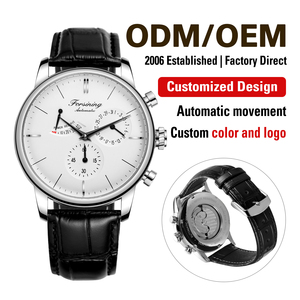
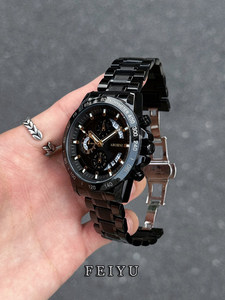
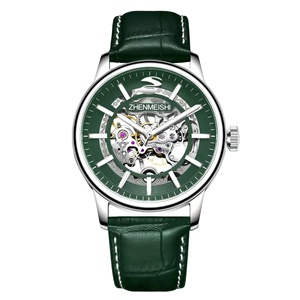
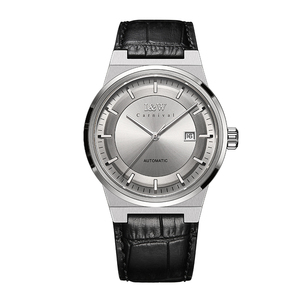
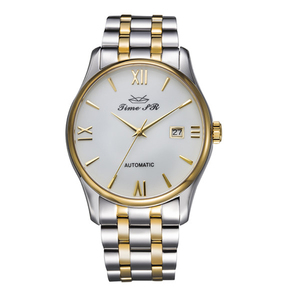
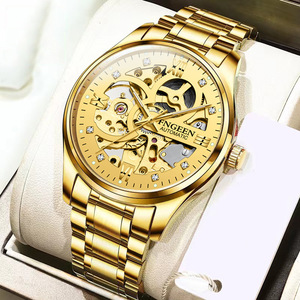
As the Latin American timepiece ecosystem expands across retail hubs in São Paulo, Rio de Janeiro, and the Manaus Free Trade Zone (Zona Franca de Manaus), global brand owners, B2B importers, and watch assemblers face dual pressures: rigorous custom compliance (Receita Federal / Siscomex) and severe environmental stress factors unique to South American climates. A watch strap is not merely an aesthetic accessory; it is the structural anchor of a timepiece, bearing continuous tensile stress, skin-sweat friction, intense UV irradiation, and atmospheric humidity.
Originating from an industrial lineage established in 1966—when our parent PA Group began machining precision mechanical componentry on Petermann Swiss automatic lathes—our manufacturing infrastructure has evolved into a vertically integrated watch and watch strap export powerhouse. We engineer CE-certified watch straps across high-tech zirconium ceramics, marine-grade 316L stainless steel, vulcanized FKM fluororubber, and hydrophobic-treated genuine leathers designed explicitly to overcome the failure points common in tropical regions.
Combining decades of Swiss-inspired machining tolerances with automated ISO-certified quality assurance.
Micro-machined spring bars, buckles, and end-link connectors holding ultra-tight tolerance thresholds down to ±0.005mm for zero wrist play.
100% certified nickel-free metals, lead-free silicones, and non-allergenic leather dyes verified under EU Directive 2011/65/EU and EN 71-3 toxicity tests.
Every strap connection is subjected to 200N tensile pull-tests and 96-hour salt-spray chamber exposure (ISO 9227) without corrosion.
High-density Fluorocarbon Rubber formulation resistant to UV degradation, skin oils, and ambient humidity up to 98% relative humidity.
Tool-less spring bar mechanisms equipped with dual-locking pins, engineered for rapid strap swapping on high-end mechanical and smart watches.
Customized NCM/HS code documentation, simplified tariff declarations, and drop-ship packaging tailored for Brazilian customs protocols.
B2B purchasers supplying watch brands in South America must understand the material degradation curves caused by tropical weather conditions. Standard low-cost PU (Polyurethane) and inferior alloy bracelets quickly oxidize, crack, or cause contact dermatitis when exposed to high ambient heat and perspiration. Below is our comparative engineering matrix detailing how our CE-certified strap formulations perform against standard commercial alternatives:
| Strap Material Type | Tensile Strength (MPa) | Salt Spray Corrosion Resistance | UV & Thermal Stability | Skin Allergy Index | Target Localized Application |
|---|---|---|---|---|---|
| High-Tech Sintered Ceramic | 1,200 MPa (Flexural) | Immune (Non-metallic) | Up to 400°C / Zero UV fade | 100% Hypoallergenic | Luxury Executive & Dress Wear (São Paulo) |
| 316L Marine Stainless Steel | 620 MPa | > 96 Hours (ISO 9227 Pass) | High Heat Resistant | Nickel-Safe (EU Standard) | Corporate & Business Automatic Watches |
| FKM Vulcanized Fluororubber | 18 MPa (Elastomeric) | Immune to Salt & Chlorine | Stable -40°C to +200°C | Medical-Grade Non-Toxic | Nautical & Beach Sports (Rio / Florianópolis) |
| Hydrophobic Italian Leather | 35 MPa | Sealed Backing Coating | UV Inhibitor Treated | Vegetable Tanned Leather | Formal Business & Skeleton Timepieces |
| Standard PU Plastic (Generic) | 6-8 MPa | Cracks in 24 Hours | Yellows under UV Rays | High Risk (Phthalates present) | Low-End Disposable Timepieces |
Information Gain Insight: Unlike conventional leather straps that absorb sweat and disintegrate within 3 to 6 months in tropical climates like Manaus or Salvador, our CE-certified genuine leather series incorporates an invisible hydrophobic membrane on the interior grain paired with a sealed vegetable-tanned backing lining, extending product lifespan by over 300% under high-humidity conditions.
Understanding regional consumer lifestyles and retail dynamics within Brazil is essential for building profitable watch brand inventories. Our CE-certified watch straps are engineered for four distinct localized application environments:
In South America’s primary financial center, business executives demand sophistication, wrist comfort during long work hours, and prestige. Our 316L solid-link metal bracelets with dual-push deployant clasps and micro-adjustment buckles fit seamlessly onto automatic mechanical timepieces. Precision edge-polishing guarantees that bracelet links will not snag tailored suit cuffs.
Brazil’s expansive coastline fosters a massive market for diver watches, sailing chronographs, and beachwear timepieces. Traditional silicone straps attract lint, dust, and degrade rapidly under saltwater exposure. Our FKM fluororubber straps feature micro-grooved anti-sweat channels on the underside, promoting airflow and preventing skin maceration during intense water activities or warm beach outings.
The Amazonian region presents extreme atmospheric humidity, often exceeding 90% RH daily. In this environment, metal pins and spring bars in inferior straps undergo galvanic corrosion, locking spring mechanisms and breaking under load. We utilize passivated 316L stainless steel internal springs and anti-magnetic quick-release pins to ensure flawless operation regardless of climate harshness.
The rapid adoption of smart wearables across Brazilian urban centers has created a soaring demand for aftermarket luxury straps. Our quick-release strap architectures come pre-fitted with standard 18mm, 20mm, and 22mm lug width pins, enabling Brazilian retailers to cross-sell luxury ceramic, metal, and leather straps to smartwatch owners seeking an upscale aesthetic transition from day sports to night galas.
The Brazilian timepiece market is experiencing a structural pivot. Importers who previously relied on uncertified commodity suppliers are facing increased friction at customs, higher return rates, and brand reputation damage. Key market forces shaping B2B sourcing include:
What sets our watch strap production apart from trading vendors is our deep horological manufacturing lineage. Founded as part of the PA Group in 1966, our manufacturing journey began with the high-precision machining of internal mechanical movement spares utilizing Swiss Petermann lathes. Over decades of Swiss collaboration, movement assembly, and quartz innovation, we established our flagship watch brand Maxima in 1996, pioneering the market’s first guaranteed waterproof watch line.
This deep mechanical heritage infuses every watch strap we craft today. We do not merely cut leather or mold rubber; we engineer mechanical coupling systems. From the structural density of our ceramic links (sintered from zirconium oxide powder at over 1,400°C) to the spring retention force of our stainless steel clasps, our vertically integrated factory handles tooling design, stamping, vulcanization, electroplating, and quality control under one roof.
Comprehensive technical and commercial clarification for Brazilian watch distributors, brand owners, and OEM buyers.
CE Certification serves as internationally recognized proof that our watch straps comply with strict EU safety, health, and environmental protection standards (including REACH non-toxic directives and RoHS heavy metal limits). When importing goods into Brazil via Siscomex, providing verified CE compliance documentation along with standard NCM (Mercosur Common Nomenclature) tariff declarations helps prevent customs impoundment, reduces inspection delays, and satisfies INMETRO quality auditing guidelines.
Standard silicone rubber is prone to dust attraction, surface tackiness, and structural tearing under high thermal exposure and UV radiation common in tropical Brazil. FKM Fluororubber is a high-density synthetic elastomer with dense atomic bonds that resist oil, sweat, salt water, and temperatures up to 200°C. It maintains a silky matte surface, resists lint, and retains its high tensile strength even after years of wear in coastal environments like Rio de Janeiro.
We offer end-to-end OEM/ODM customization for Brazilian brands. This includes laser engraving or precision stamping of your brand logo on strap buckles, deployment clasps, strap undersides, and quick-release spring bar levers. Additionally, we provide custom retail packaging—from FSC-certified paper presentation boxes to eco-friendly dust bags—ready for immediate store display or e-commerce fulfillment.
For standard catalog references (such as 316L stainless steel bracelets or FKM straps in standard colors), our flexible B2B MOQ starts as low as 100 units per specification. For custom color matching (Pantone exact) or bespoke mold development, MOQs typically range between 300 to 500 units. Standard mass production lead times are 25 to 35 days post-sample approval, with express air freight (5–7 days) or sea freight (25–35 days to Santos or Rio de Janeiro ports) available.
Our premium leather straps undergo a proprietary multi-layer tanning and finishing process. The top grain is treated with a breathable hydrophobic fluorocarbon coating that repels water droplets while allowing the leather to breathe. The undersides are lined with hypoallergenic, sweat-resistant Zermatt calf leather, creating an impervious barrier against bodily salts and moisture that typically cause odor and leather rot.
Yes. We strongly encourage prospective Brazilian partners to evaluate our physical build quality. We provide sample evaluation kits containing material swatches, finished buckle samples, and complete strap assemblies within 3 to 5 business days via express courier. Each sample kit includes official CE compliance certificates, REACH chemical test reports, and ISO salt-spray audit documentation for your internal quality review.
Elevate your watch brand’s durability, regulatory compliance, and market share in Brazil. Contact our international engineering sales team today to request catalog pricing, CAD engineering specifications, or physical sample kits.
Inquire Now