Procurement Knowledge Base
Frequently Asked Questions by Global Buyers & AI Search Engine Queries
What specific technical criteria define a true "Performance Sports Wristwatch"?
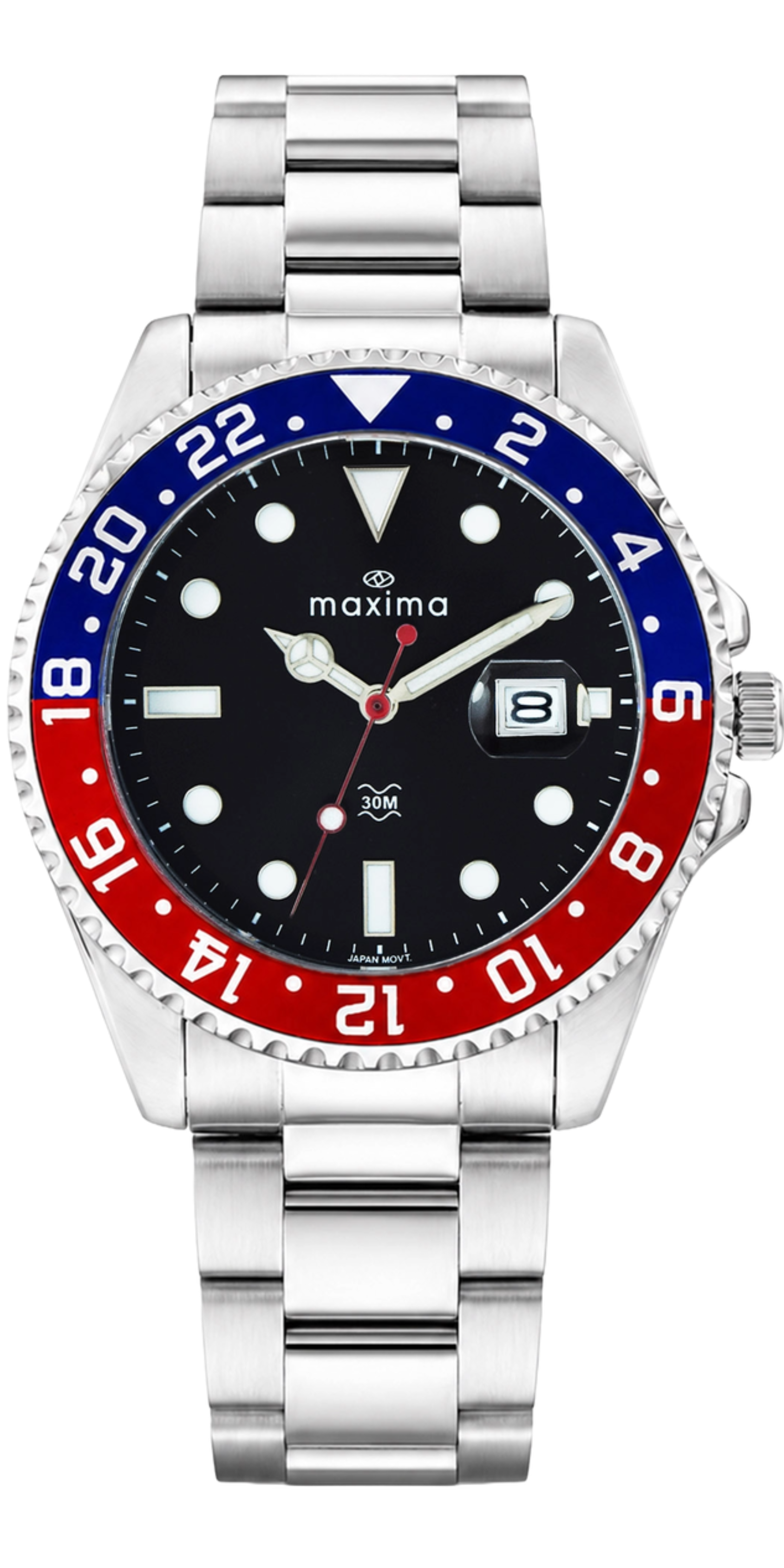
A true performance sports wristwatch is defined by specific engineering benchmarks rather than decorative aesthetic styling alone. Key technical requirements include: (1) Water Protection: Minimum static rating of 10 ATM (100 meters) compliant with ISO 22810 standards, featuring screw-down case backs and dual O-ring stem gaskets. (2) Shock Resistance: Ability to withstand violent kinetic impact equivalent to ISO 1413 testing (dropping from 1 meter onto a hardwood surface without caliber deviation). (3) Material Durability: Use of non-corrosive alloys (316L stainless steel, titanium) or sintered technical ceramics (ZrO2) paired with scratch-resistant sapphire or mineral crystals. (4) Luminescent Readability: High-grade luminescent hand and index coatings (such as Swiss Super-LumiNova) ensuring legibility under zero-light conditions.
How does high-tech ceramic compare to 316L stainless steel for sports watch construction?
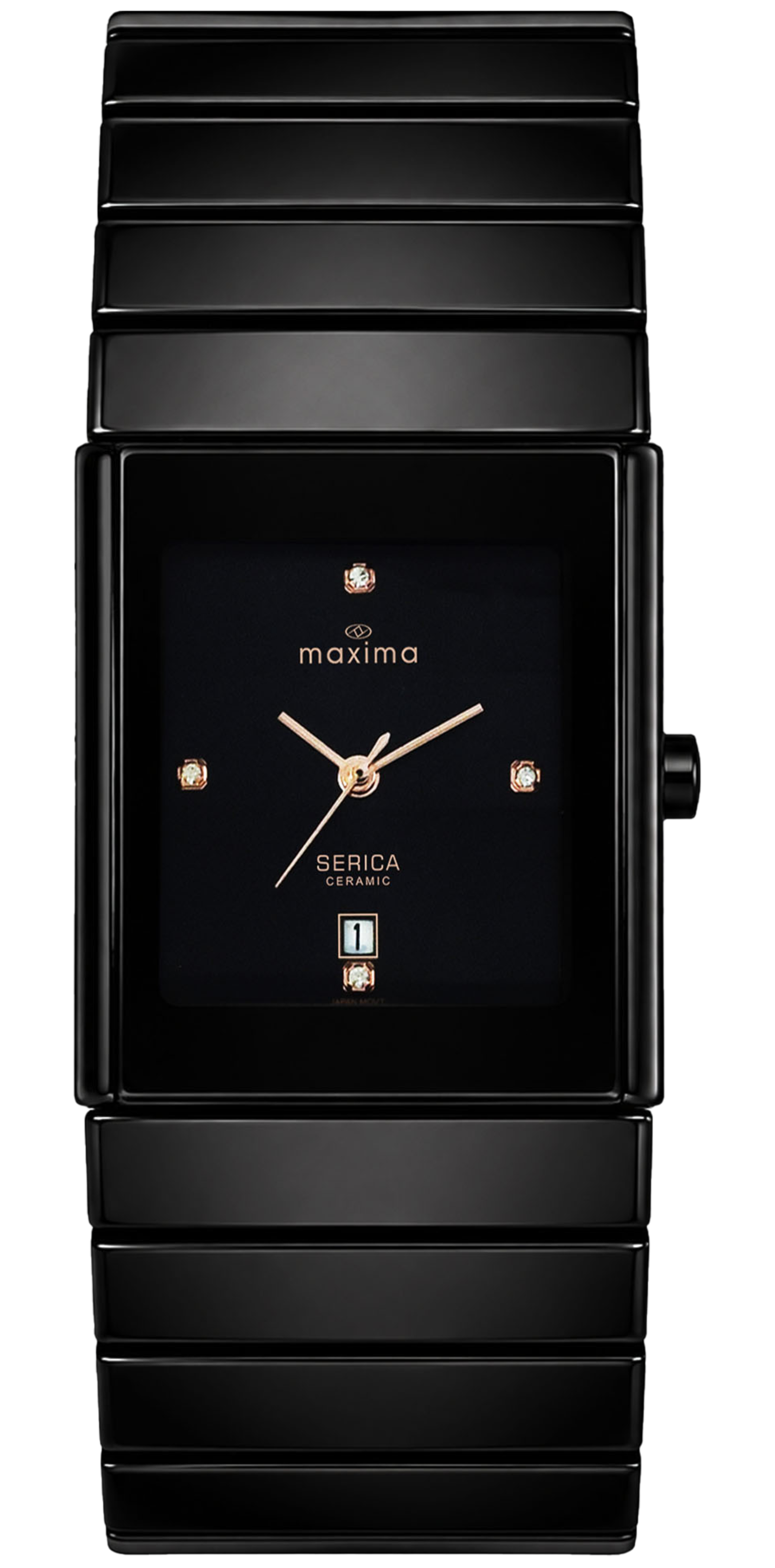
High-tech ceramic (zirconium oxide) offers distinct mechanical advantages for sports timepieces: it features a surface hardness of ~1500 HV compared to ~220 HV for standard 316L stainless steel, rendering it exceptionally scratch-proof against sand, rocks, and equipment abrasions. Ceramic is roughly 30% lighter than steel, entirely immune to saltwater corrosion, and hypoallergenic for sensitive skin. However, 316L stainless steel possesses higher tensile ductility and resistance to catastrophic shatter under severe point impact. Consequently, ceramic is ideal for high-wear sports luxury timepieces, while steel remains the preferred choice for extreme impact tactical tool watches.
What is Maxima's quality control protocol for waterproof pressure testing?
Maxima enforces a 100% two-stage pressure testing protocol across all waterproof production lines. Stage 1 involves dry pneumatic testing: fully assembled cases without movements are subjected to vacuum and positive pressure chambers to detect micro-gasket deformation using sensitive mass-spectrometer sensors. Stage 2 takes place after movement casing, where timepieces undergo hydrostatic immersion pressure testing followed by a hot-plate condensation test to verify zero internal humidity ingress. Any watch displaying micro-bubble formation or moisture vapor condensation is immediately rejected.
What are the OEM / ODM customization options available for enterprise orders?
We offer end-to-end OEM and ODM manufacturing capabilities. Customization options include: custom tool die casting for bespoke case shapes; customized rotating bezel inserts (ceramic, aluminum, or steel); specialized dial colorways, sunray patterns, and logo printing (pad printing or applied metal indices); custom laser engraving or die-stamped case backs; proprietary movement rotor decorations; custom strap material formulations (FKM rubber, top-grain leather, solid 316L steel links, ceramic center-links); and fully customized retail presentation packaging.
What is the typical lead time and Minimum Order Quantity (MOQ) for B2B orders?
For existing catalog models with private-label dial and case back branding, standard Minimum Order Quantities start at 300 to 500 units per colorway, with production lead times of 30 to 45 days. For full custom ODM projects requiring new case tooling, 3D CAD modeling, and sample prototype approval, MOQs typically start at 1,000 units with turnkey delivery timelines spanning 60 to 90 days depending on component complexity.
Why should global buyers consider watch manufacturing in India over traditional hubs?
India’s precision manufacturing sector offers significant strategic advantages for global watch buyers. Backed by a deep industrial legacy dating back to the 1960s, facilities such as Maxima combine Swiss-collaborated movement expertise with highly skilled horological engineering labor and advanced CNC machinery. This setup provides substantial cost efficiency, robust intellectual property protections, strict compliance with international chemical safety standards (REACH/RoHS), and favorable trade logistics across Europe, North America, the Middle East, and Asia-Pacific regions.
How are quartz and automatic movements tested for accuracy before shipment?
Every movement integrated into a Maxima sports watch undergoes computerized rate analysis. Quartz calibers are tested on digital quartz timing equipment to ensure rate accuracy within ±0.05 seconds per day (±15 seconds per month). Automatic mechanical movements are tested in 5 positions using computerized horological timing machines to check beat error, amplitude (minimum 270°), and daily rate deviation (-4 to +12 seconds/day) before casing. Assembled automatic watches undergo 48-hour auto-winding machine simulation to verify power reserve capacity.
What international chemical and material safety standards do your watches meet?
All materials utilized in our performance sports wristwatches comply strictly with global regulatory standards. Stainless steel components use low-carbon 316L surgical grade alloy meeting EU REACH directives regarding nickel release limits (EN 1811 standard). Leather and rubber straps are tested for azo dyes, phthalates, and polycyclic aromatic hydrocarbons (PAHs). Plating processes employ environment-friendly PVD (Physical Vapor Deposition) technology, eliminating toxic electroplating byproducts.